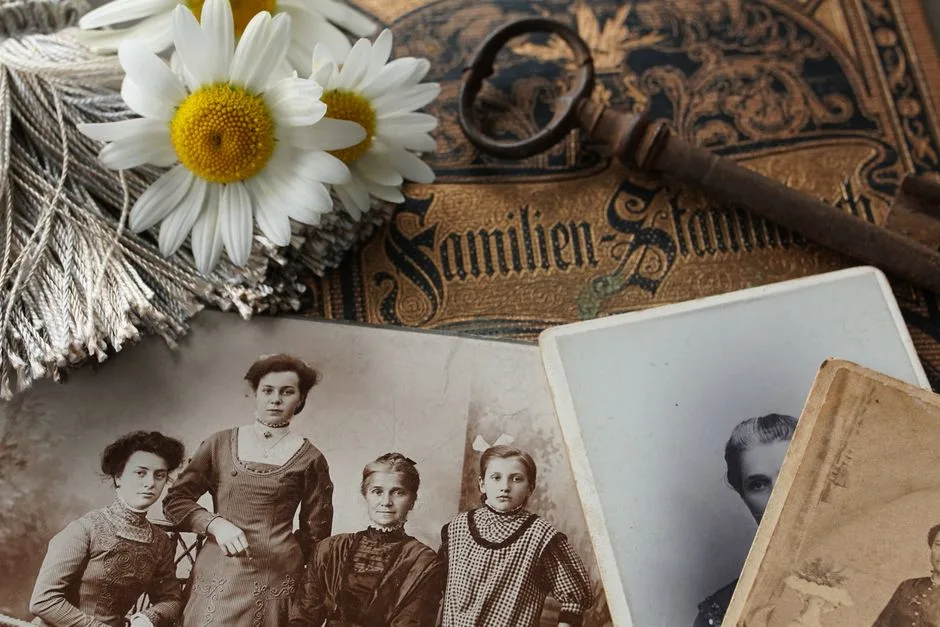
I've got family stories going back to people I never met but still feel connected to somehow, patterns, faith, struggles that seem to echo down through generations. A lot of people ask what the Bible says about ancestors, especially when their own family or cultural background includes practices around honoring or even praying to the dead. Let's look at what Scripture actually says, because there's an important distinction here worth getting right.
✝ Try FaithSpark Free
AI-powered daily devotionals, a prayer journal, and Bible reader, built by a truck driver who needed something real for the road.
What Does the Bible Say About Ancestors? The Short Answer
The Bible supports honoring the memory, heritage, and faith of ancestors, while clearly prohibiting worship of or seeking guidance from the dead.
That distinction is the whole key to this topic. Honoring versus worshiping aren't the same action, and Scripture treats them very differently. Exodus 20:12 commands honoring father and mother. Hebrews 11 celebrates generations of faithful people as examples worth remembering. But Exodus 20:3 is equally clear: no other gods, no worship directed anywhere but to God alone.
Honoring Ancestors: What Scripture Actually Supports
Honoring ancestors through remembering their faith, respecting family heritage, and passing down their example to the next generation is consistently affirmed throughout Scripture.
Hebrews 11, often called the "hall of faith," spends an entire chapter celebrating the faith of past generations. Abraham, Sarah, Noah, Moses, and others, specifically so their example could strengthen those reading about them later. Hebrews 12:1 calls these figures a "great cloud of witnesses" surrounding us. That's honoring ancestry in a deeply biblical way: learning from those who came before, telling their stories, letting their faith encourage your own.
Deuteronomy 6:6-7 commands passing faith down actively to children, a multi-generational chain of honoring what God did in your family's story by retelling it. That's a healthy, biblical way to relate to those who came before you.
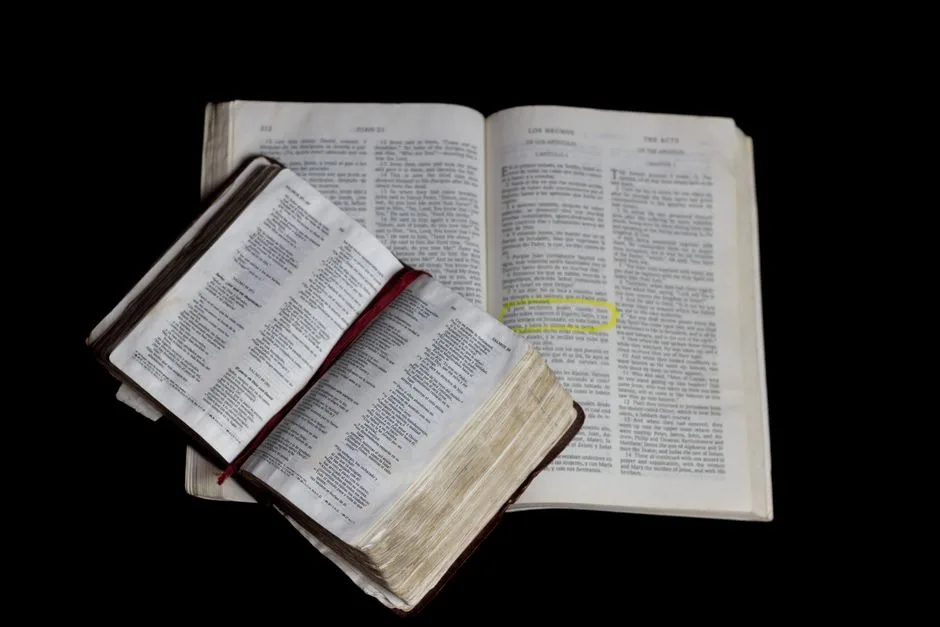
Why Ancestor Worship Differs From Honoring Ancestors
Worshiping or seeking guidance from ancestors departs from honoring their memory into territory Scripture directly and repeatedly prohibits, since worship and communication with the dead are reserved exclusively for God.
Exodus 20:3-5 is direct: "You shall have no other gods before me… You shall not bow down to them or worship them." Deuteronomy 18:10-11 specifically lists consulting the dead among practices God's people were warned against. 1 Samuel 28 records King Saul seeking out a medium to contact the dead prophet Samuel, and the episode is portrayed as a serious spiritual failure, not a neutral choice.
The difference isn't about disrespecting family. It's about who worship, prayer, and spiritual guidance are reserved for. Scripture's answer is consistently: God alone. Many cultural ancestor-veneration practices blend respect for family with spiritual elements that cross into worship, which is where Scripture draws a firm line.
Generational Sin and Generational Blessing
Scripture acknowledges that sin and faith patterns can ripple across generations, while also making clear that each person is ultimately responsible for their own choices, not condemned for an ancestor's failures.
Exodus 20:5-6 talks about consequences reaching "to the third and fourth generation" of those who reject God, while love and faithfulness extend "to a thousand generations" of those who love Him, a deliberately lopsided contrast favoring blessing over judgment. Ezekiel 18:20 makes the individual responsibility clear: "The one who sins is the one who will die… The righteousness of the righteous will be credited to them, and the wickedness of the wicked will be charged against them."
Generational patterns are real, addiction, faith, habits of the heart often do echo through families. Scripture takes that seriously. But it never lets anyone off the hook for their own choices by blaming an ancestor, and it never condemns anyone purely for an ancestor's sin either.

How to Honor Your Family's Story Without Crossing a Line
You can honor your ancestors' memory, faith, and legacy fully through remembrance, gratitude, and passing their story forward, while keeping worship, prayer, and spiritual guidance directed only toward God.
If your family or culture has traditions around remembering ancestors, you don't have to throw out the impulse to honor those who came before you, that instinct is biblical. What's worth examining honestly is whether any of those traditions cross from honoring memory into worship, prayer for guidance, or treating the dead as spiritually present in a way Scripture reserves for God alone.
Your Story Is Part of a Longer Story
Whatever came before you in your family line, your own faith and choices today are what God is asking of you now, you're not stuck repeating the past, and you're not erased from it either.
Whatever your ancestors got right or wrong, you're not simply a repeat of their story. Ezekiel 18 makes that clear. But you're also not disconnected from it. You're one more link in a long chain of people God has been at work in, long before you showed up. That's worth remembering with gratitude, not fear.