I've made plenty of decisions in my life that, looking back, fit the Bible's description of foolishness perfectly, not because I lacked intelligence, but because I didn't want to hear correction at the time. Proverbs has a lot to say about fools, and it's not really about IQ. It's about a posture toward truth that any of us can fall into.
✝ Try FaithSpark Free
AI-powered daily devotionals, a prayer journal, and Bible reader, built by a truck driver who needed something real for the road.
What Does the Bible Say About a Fool? The Short Answer
The Bible describes a fool primarily as someone who rejects wisdom and correction, not as someone lacking intelligence, foolishness in Scripture is a moral and spiritual posture, not an intellectual measurement.
Proverbs 1:7 lays the foundation: "The fear of the Lord is the beginning of knowledge, but fools despise wisdom and instruction." That word "despise" is key. A fool, biblically, isn't someone who simply doesn't know better, it's someone who's been shown better and rejected it anyway.
A Fool Despises Correction
Proverbs repeatedly describes a fool as someone who rejects correction and instruction, while a wise person actively welcomes it, even when it's uncomfortable to hear.
Proverbs 12:15 says, "The way of fools seems right to them, but the wise listen to advice." Proverbs 15:5 adds, "Fools spurn their father's discipline, but whoever heeds correction shows prudence." The pattern across Proverbs is consistent: the dividing line between wisdom and foolishness isn't how smart you are. It's how you respond when someone tells you something you don't want to hear.
I've watched this play out in trucking circles plenty of times, guys who ignored every warning about their habits, their finances, their relationships, because they were certain they already had it figured out. That's the exact posture Proverbs is describing.
"The Fool Says There Is No God". Psalm 14
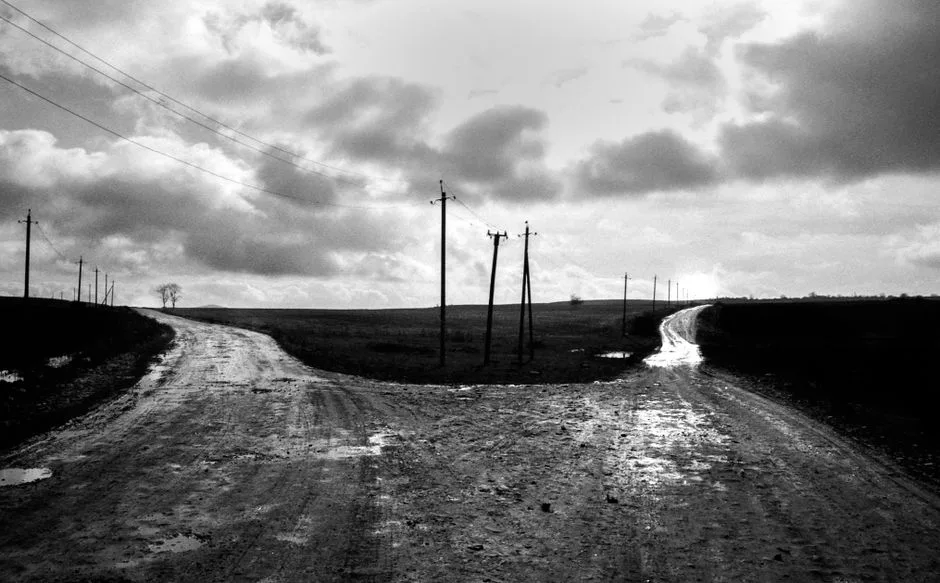
Psalm 14:1's description of the fool denying God isn't primarily an insult about intelligence, it identifies a foundational error that the rest of the psalm shows distorting moral behavior downstream.
Psalm 14:1 says, "The fool says in his heart, 'There is no God.' They are corrupt, their deeds are vile; there is no one who does good." Read in context, the psalm isn't claiming atheists are unintelligent, it's making a structural point: rejecting God as the foundation tends to produce moral drift downstream, because the anchor for right and wrong has been removed.
This isn't really a verse meant to be weaponized in arguments. It's describing a pattern, not delivering an insult, and it's worth holding with more nuance than it's often used with.
Fools Act Without Thinking Things Through
Proverbs describes a fool as impulsive and quick-tempered, acting on immediate impulse rather than careful thought, in contrast to the prudent person who considers consequences before acting.
Proverbs 14:16 says, "The wise fear the Lord and shun evil, but a fool is hotheaded and yet feels secure." Proverbs 29:11 adds, "Fools give full vent to their rage, but the wise quietly hold themselves back." A recurring picture of foolishness in Proverbs is impulsiveness, reacting immediately, speaking without thinking, acting on feeling without weighing consequences.
I think about every regretted text message or angry decision I made in the moment, before slowing down enough to actually think. Proverbs would call that exact pattern foolish, regardless of how smart I otherwise am.

Wisdom Is Available to Anyone Willing to Pursue It
The line between foolishness and wisdom isn't fixed by natural ability. Proverbs presents wisdom as something actively pursued and available to anyone humble enough to seek it out.
Proverbs 2:1-5 describes wisdom as something to be sought "as for hidden treasure", actively pursued, not passively received by the naturally gifted. James 1:5 says if anyone lacks wisdom, they should ask God, who gives generously. The encouraging flip side of all this is that foolishness isn't a permanent identity. It's a posture you can change, starting with becoming willing to actually receive correction instead of defending yourself against it.
A Practical Check for Foolish Patterns in Your Own Life
A practical way to guard against foolishness is regularly asking whether you actually receive correction well, or whether you instinctively defend and dismiss it, that honest self-check is itself a step toward wisdom.
If you want a practical gut-check: think back to the last time someone corrected you. Did you actually consider it, or did you immediately get defensive and dismiss it? Proverbs 9:8 says rebuke a wise person and they'll love you for it; rebuke a fool and they'll hate you for it. That single response pattern says more about which category you're currently living in than almost anything else.