If you've ever felt your heart race with worry or your mind spiral into anxious thoughts, you're not alone. Millions of people struggle with anxiety and stress daily, searching for peace in a world that often feels overwhelming. A daily devotional for anxiety and stress offers more than just temporary relief, it provides a spiritual anchor that grounds you in God's promises and reminds you that you were never meant to carry these burdens alone. By combining Scripture, prayer, and reflection, devotionals create a sacred space where God's peace can transform your anxious heart.
The practice of turning to God's Word during difficult moments isn't new. Throughout history, believers have found comfort in Scripture during their darkest hours. Today, that same power is available to you through intentional, daily time with God focused specifically on the anxieties that weigh you down.
Understanding the Connection Between Faith and Anxiety Relief
Anxiety doesn't mean weak faith, it's an invitation to lean into God's presence, retraining your mind to focus on truth instead of fear.
Anxiety doesn't discriminate, it affects people of all backgrounds, including devoted Christians. Experiencing anxiety doesn't mean your faith is weak or that you're failing spiritually. Instead, it's an invitation to lean more deeply into God's presence and discover the peace He promises.
When we engage with a devotional for anxiety relief, we're not seeking a magic formula that erases all stress. Rather, we're training our minds to focus on truth instead of fear. Philippians 4:8 instructs us to think about whatever is true, noble, right, pure, lovely, and admirable. A dedicated devotional practice helps redirect our thought patterns toward these things.
Scientific research supports what Scripture has taught for millennia: regular spiritual practices like prayer, meditation on Scripture, and gratitude can significantly reduce anxiety symptoms. When combined with professional mental health support when needed, devotional practices become a powerful tool in your wellness toolkit.
How a Daily Devotional for Anxiety and Stress Works
A devotional for anxiety works through three parts: Scripture that speaks directly to fear, reflection that connects it to your specific struggle, and a practical action or prayer you can apply immediately.
A structured devotional creates consistency in your spiritual life, which is especially valuable when anxiety makes everything feel chaotic. Each day, you return to a familiar practice that reminds you of unchanging truths even when your circumstances feel unstable.
Most effective devotionals for anxiety include several key components. First, they open with Scripture for stress and worry that speaks directly to your concerns. These aren't random verses but carefully selected passages that address fear, trust, peace, and God's faithful character.
Second, they provide reflection or teaching that helps you understand how the Scripture applies to your specific struggles. This bridges the gap between ancient text and modern anxiety, making God's Word relevant to your daily challenges.
Third, they include practical application, specific actions or prayers you can implement immediately. This transforms passive reading into active faith that produces real change in your thought patterns and emotional responses.
Building Your Daily Devotional Practice
You build the habit by starting small and staying consistent, choosing a specific time and distraction-free place, and keeping your materials within reach.
Starting a new habit can feel overwhelming, especially when anxiety already consumes your mental energy. The key is beginning small and staying consistent rather than attempting perfection.
Choose a specific time and place for your devotional. Many people find morning devotionals set a peaceful tone for the entire day, while others prefer evening reflection to process the day's stresses. There's no universally "right" time, the best time is whenever you'll actually do it consistently.
Create a comfortable, distraction-free space where you can focus. This might be a cozy chair by a window, a quiet corner of your bedroom, or even your car during lunch break. The location matters less than the intention you bring to it.
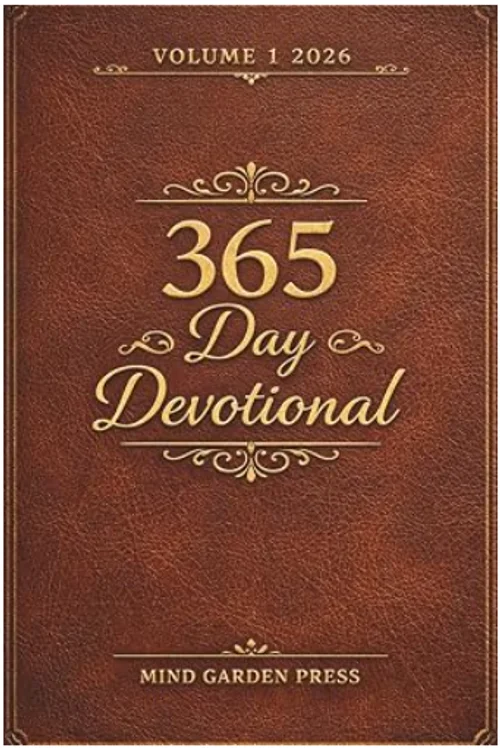
Keep your devotional materials accessible. Whether you prefer a physical book, a digital app, or printed pages, having everything ready eliminates barriers to following through. Resources like the Faith Building Devotional: A 365 Day Devotional with Scripture provide a full year of structured content, removing the decision fatigue of what to read each day.

Powerful Scripture for Calming Anxious Thoughts
Verses like Philippians 4:6-7, Isaiah 41:10, and Matthew 6:34 redirect anxious thoughts toward prayer, God's presence, and staying focused on just today.
God's Word contains countless promises specifically addressing anxiety and fear. These aren't merely comforting words but powerful truths that can reshape your mental and emotional landscape when you meditate on them regularly.
Philippians 4:6-7 offers perhaps the most direct instruction for anxiety: "Do not be anxious about anything, but in every situation, by prayer and petition, with thanksgiving, present your requests to God. And the peace of God, which transcends all understanding, will guard your hearts and your minds in Christ Jesus." This passage doesn't minimize your concerns but redirects them toward prayer rather than worry.
Isaiah 41:10 provides reassurance of God's presence: "So do not fear, for I am with you; do not be dismayed, for I am your God. I will strengthen you and help you; I will uphold you with my righteous right hand." When anxiety whispers that you're alone, this verse declares the opposite truth.
Matthew 6:34 addresses the specific anxiety about future events: "Therefore do not worry about tomorrow, for tomorrow will worry about itself. Each day has enough trouble of its own." This verse gives you permission to focus only on today's challenges rather than borrowing trouble from an unknown future.
A calming daily devotional will help you not just read these verses but truly absorb them. Repetition and meditation allow Scripture to move from your head to your heart, where it can genuinely transform your anxious responses.
Integrating Prayer with Your Devotional for Mental Health
Pairing Scripture with honest, unfiltered prayer turns devotional time into a two-way conversation, giving your fears somewhere real to go instead of just circling in your head.
Reading Scripture alone is valuable, but combining it with prayer creates a two-way conversation with God. While the Bible allows you to hear God's voice, prayer gives you space to express your fears, frustrations, and needs.
Honest prayer is essential when dealing with anxiety. God already knows your struggles, so there's no need to sanitize your prayers or pretend everything is fine. The Psalms model raw, authentic prayer where writers express fear, anger, confusion, and doubt, yet always return to trust in God's character.
Consider keeping a prayer journal alongside your devotional. Writing your prayers helps externalize anxious thoughts, making them less overwhelming. It also creates a record you can review later to see how God has answered and provided, which builds faith for future challenges.
Incorporate different prayer styles into your practice. Some days, you might need to pour out your worries in detailed intercession. Other days, simple breath prayers, short phrases repeated with each breath, can calm your nervous system while keeping your mind focused on God.
Creating a Devotional Routine That Addresses Your Specific Anxieties
You get more relief by tailoring your devotional to your actual triggers, provision passages for financial stress, peace passages for relational conflict, rather than reading generic content.
While general devotionals provide value, you may find greater relief by tailoring your practice to address your particular anxiety triggers. If financial stress keeps you awake at night, spend extra time with passages about God's provision. If relationship conflicts fuel your worry, focus on Scriptures about peace, forgiveness, and trust.
A comprehensive devotional for mental health recognizes that spiritual practices complement but don't replace professional mental health care. If your anxiety significantly impairs your daily functioning, seeking help from a licensed therapist or counselor is an act of wisdom, not a lack of faith.
Consider creating themed devotional weeks. One week might focus on God's faithfulness in past difficulties, another on His promises for the future, and another on practical wisdom for managing stress. This variety keeps your practice fresh while systematically addressing different aspects of anxiety.
Track your progress and emotional patterns. Notice which Scriptures bring the most peace, which times of day you feel most anxious, and which devotional approaches help most. This self-awareness allows you to refine your practice over time for maximum benefit.
The Role of Community in Your Devotional Journey
Sharing your devotional journey with others breaks anxiety's favorite lie, that you're the only one struggling, through small groups, online community, or simply being honest with a friend.
While personal devotional time is crucial, sharing your journey with others multiplies its impact. Anxiety often thrives in isolation, convincing you that you're the only one struggling. Community shatters this lie by revealing that others face similar battles.
Consider joining or forming a small group focused on anxiety and faith. Meeting weekly to discuss devotional insights, share struggles, and pray together creates accountability and encouragement. Many churches offer anxiety-focused Bible studies or support groups that integrate spiritual and practical approaches to mental health.
Online communities can also provide valuable support, especially if local options are limited. Platforms like Mind Garden Press offer resources and connections with others pursuing faith-based approaches to mental wellness.
Share your favorite devotional insights with friends or family members. Teaching or explaining what you've learned reinforces the truth in your own mind while potentially helping someone else who's struggling. Your vulnerability about anxiety may give others permission to be honest about their own challenges.
Overcoming Common Obstacles to Consistent Devotional Practice
The biggest obstacles, lack of time, mental resistance, distraction, and feeling like it isn't working, are all normal and addressed by simplifying rather than quitting.
Even with the best intentions, maintaining a daily devotional practice presents challenges. Recognizing common obstacles helps you prepare strategies to overcome them before they derail your progress.
Time constraints often top the list of excuses. However, even five minutes of focused devotional time provides more benefit than zero minutes. Start with a realistic commitment you can actually keep, then gradually expand as the habit becomes established. Consistency matters more than duration, especially in the beginning.
Mental resistance is another common barrier. Some days, anxiety itself may convince you that devotional time won't help or that you're too overwhelmed to focus. These are precisely the days when you need it most. On difficult days, simplify your practice, read one verse and say one short prayer rather than skipping entirely.
Distraction and wandering thoughts plague many people during devotional time. This is completely normal and doesn't mean you're doing it wrong. When your mind wanders, gently redirect it back to the Scripture or prayer without judgment. Over time, your ability to focus will improve.
Feeling like devotionals aren't "working" can also discourage continued practice. Remember that transformation happens gradually, not overnight. You're retraining thought patterns that may have been established over years or decades. Trust the process and celebrate small victories, like noticing a moment of peace or catching an anxious thought before it spirals.

Enhancing Your Devotional with Complementary Practices
Worship music, breath prayers, gratitude journaling, and Scripture memorization all deepen a devotional's calming effect on anxiety beyond Scripture and prayer alone.
While Scripture and prayer form the foundation of effective devotionals, incorporating additional spiritual disciplines can deepen their impact on your anxiety levels.
Worship music creates an atmosphere of peace and redirects your focus toward God's character. Consider playing instrumental worship music during your devotional time or memorizing worship songs that declare truth over your anxious thoughts. Music engages different parts of your brain than reading, making spiritual truths accessible in new ways.
Breath prayers combine physical and spiritual practices by synchronizing short prayers with your breathing. As you inhale, pray "Lord Jesus," and as you exhale, "Grant me peace." This technique calms your nervous system while keeping your mind focused on God's presence.
Gratitude journaling naturally combats anxiety by training your brain to notice blessings rather than threats. End each devotional time by listing three specific things you're grateful for that day. This practice rewires neural pathways toward positivity and contentment.
Scripture memorization takes key verses with you throughout the day. When anxiety strikes at unexpected moments, having Scripture memorized allows you to immediately combat fearful thoughts with truth. Start with short verses and gradually work toward longer passages.
Seasonal Adjustments to Your Devotional Practice
Your devotional should flex with your anxiety levels, shorter, more frequent check-ins during stressful seasons, and room to go deeper during calmer ones.
Your anxiety levels and spiritual needs may fluctuate with life seasons, requiring adjustments to your devotional approach. Recognizing these patterns helps you stay flexible and responsive rather than rigidly sticking to methods that no longer serve you well.
During particularly stressful seasons, job changes, health crises, relationship difficulties, you might need shorter, more frequent devotional times rather than one longer session. Three five-minute check-ins with Scripture throughout the day can provide more consistent support than a single thirty-minute morning devotional you struggle to complete.
Conversely, during calmer periods, you might expand your devotional time to build spiritual reserves for future challenges. These seasons offer opportunities to explore new Scripture passages, try different prayer methods, or work through comprehensive devotional books like the Faith Building Devotional: A 365 Day Devotional with Scripture.
Holiday seasons often bring unique anxieties around family dynamics, financial pressure, or painful memories. Prepare by adjusting your devotional focus to address these specific concerns before they peak. Proactive spiritual preparation builds resilience for anticipated stressors.
Measuring Progress and Celebrating Growth
You measure progress by tracking anxiety levels before and after devotional time and noticing behavioral changes, concrete evidence that counters anxiety's lie that nothing is improving.
Tracking your journey with anxiety and devotional practice helps you recognize progress that might otherwise go unnoticed. Anxiety often lies, telling you that nothing is changing or improving. Concrete evidence of growth counteracts these deceptive messages.
Keep a simple log noting your anxiety levels before and after devotional time on a scale of one to ten. Over weeks and months, patterns will emerge showing how consistent practice affects your baseline anxiety. Even small decreases represent significant victories worth celebrating.
Notice behavioral changes that indicate internal transformation. Are you responding to stressful situations with more patience? Do you catch anxious thoughts sooner and redirect them more quickly? Are you sleeping better or experiencing fewer physical anxiety symptoms? These practical changes demonstrate that your devotional practice is bearing fruit.
Celebrate milestones in your devotional consistency. Completing one week, one month, or one year of daily devotionals deserves recognition. These achievements aren't about legalistic rule-following but about honoring your commitment to spiritual growth and mental health.
Share your progress with trusted friends or mentors who can encourage you and provide perspective when you feel discouraged. Sometimes others notice changes in us before we recognize them ourselves.
Resources and Tools for Your Devotional Journey
Devotional books focused on anxiety, Bible apps, and physical journals all make a consistent practice easier without replacing Scripture itself.
Having quality resources makes maintaining your devotional practice easier and more enriching. While the Bible itself is sufficient, additional tools can provide structure, variety, and fresh perspectives.
Devotional books specifically focused on anxiety offer curated Scripture selections and reflections written by people who understand your struggles. These resources save you the effort of searching for relevant passages and provide insights you might miss on your own.
Bible apps with devotional plans allow you to carry your practice everywhere. Many offer audio options for days when reading feels overwhelming or when you're commuting. Features like verse-of-the-day notifications provide additional touchpoints with Scripture beyond your main devotional time.
Physical journals designed for devotional use include prompts for reflection, prayer requests, and gratitude lists. The tactile experience of writing by hand can be especially grounding when anxiety makes you feel disconnected from your body.
Explore the resources available at Mind Garden Press, which offers faith-based content specifically designed to support mental and emotional wellness through biblical principles.
Making Your Devotional Practice Sustainable Long-Term
A sustainable devotional practice comes from consistency over intensity, avoiding all-or-nothing thinking, building in flexibility, and returning to it after the days you miss.
The greatest benefits of devotional practice come through consistency over time, not intensity in short bursts. Building a sustainable practice requires realistic expectations and grace for yourself when you fall short.
Avoid all-or-nothing thinking that says you must complete a perfect devotional every single day or you've failed. Life happens, sick days, travel, emergencies, and exhausting seasons will occasionally disrupt your routine. What matters is returning to the practice rather than maintaining a perfect streak.
Build flexibility into your approach. Have a backup plan for difficult days, perhaps a shorter reading, a single verse to meditate on, or just a few minutes of prayer. These simplified versions keep the habit alive even when circumstances prevent your full routine.
Regularly evaluate and adjust your practice. What worked last year might not serve you well now. Give yourself permission to change devotional books, adjust timing, or try new approaches without feeling like you're being unfaithful to previous methods.
Remember that your devotional practice is ultimately about relationship with God, not religious obligation. Approach it with joy and expectation rather than duty and guilt. God desires connection with you more than He desires your perfect performance.
Build Your Faith Daily with Year-Round Scripture Guidance
Take your devotional practice deeper with Faith Building Devotional: A 365 Day Devotional with Scripture. This comprehensive guide provides daily scripture readings and reflections designed to strengthen your faith and bring lasting peace to your life, one day at a time.


[Start Your 365-Day Journey](https://www.amazon.com/dp/B0GR4MZ8PF)
Related Articles
Take your devotional practice deeper with Faith Building Devotional: A 365 Day Devotional with Scripture. This comprehensive guide provides daily scripture readings and reflections designed to strengthen your faith and bring lasting peace to your life, one day at a time.