A one year Bible reading plan works by breaking Scripture's 1,189 chapters into roughly 3 to 4 chapters a day, about 15 to 20 minutes of reading, following either a chronological order, a straight cover-to-cover order, or a blended plan that alternates Old and New Testament readings. Reading the entire Bible in a year is one of the most worthwhile things a Christian can do, not because information is the goal, but because sustained engagement with the whole narrative builds a theological foundation that changes how every individual passage is understood.
Here is everything you need to start and complete a one year Bible reading plan.
✝ Try FaithSpark Free
FaithSpark reading plans are free at mindgardenpress.com, with guided daily content and progress tracking to keep you on schedule through the year.
What to Expect From a One-Year Bible Reading Plan
The first thing to know is that different parts of the one-year journey will feel very different.
The first six weeks. Genesis through Exodus tends to feel engaging because the narrative is strong. Creation, the Fall, the patriarchs, Moses. Most people are excited at this point.
Weeks seven through twelve. You hit Leviticus, Numbers, and Deuteronomy. The laws and the census numbers and the repeated instructions can feel like a wall. This is where most one-year plans are abandoned. The answer is to push through and understand that these books reveal the holiness of God and the structure of the covenant in ways that make the New Testament richer.
Weeks thirteen through twenty-six. The historical books, wisdom literature, and prophets. Joshua, Judges, Ruth, Samuel, Kings, Chronicles. Then Job, Psalms, Proverbs, Ecclesiastes, Song of Songs. Then Isaiah through Malachi. This is the bulk of the Old Testament, and it contains some of the most beautiful literature ever written alongside some of the hardest theological questions anywhere in Scripture.
Weeks twenty-seven through forty. Into the New Testament. Matthew through John are the Gospels. Acts is the early church. Romans through Jude are the letters. Most people find this section of the one-year plan genuinely energizing because the narrative momentum of the first century church is compelling.
Weeks forty-one through fifty-two. The finish line is visible. Revelation caps the whole story and brings threads from Genesis to their completion. Many people read Revelation multiple times just to see everything it connects to.

The 52-Week Bible Reading Plan Format That Works
The most sustainable one-year format for most people is a blended plan that reads from the Old and New Testaments on the same day. Here is why this works:
It prevents the "I'm trapped in Numbers" problem. When you are reading two chapters of Numbers, you are also reading a chapter of the Gospels on the same day. The New Testament reading maintains engagement while the Old Testament reading builds foundation.
It creates a running conversation between the two parts of Scripture. Reading Isaiah 53 shortly before reading the passion narratives in the Gospels is a very different experience than reading them months apart.
The FaithSpark reading plans at mindgardenpress.com use this blended approach with guided reflections for each reading. Free to use in your browser, with progress tracking that shows exactly how far through the year you are.
How to Build the One-Year Habit
Same time, same place. Bible reading is a habit, and habits are attached to triggers. Establish a consistent time and location. Morning before your phone. Lunch break at your desk. Before bed. Wherever it is, make it the same every day.
Use a translation you will actually read. The King James Version is majestic but archaic, and for daily reading practice, most people sustain engagement better with a modern translation. The NIV, ESV, NLT, and CSB are all excellent for reading plans. Use what you will actually open.
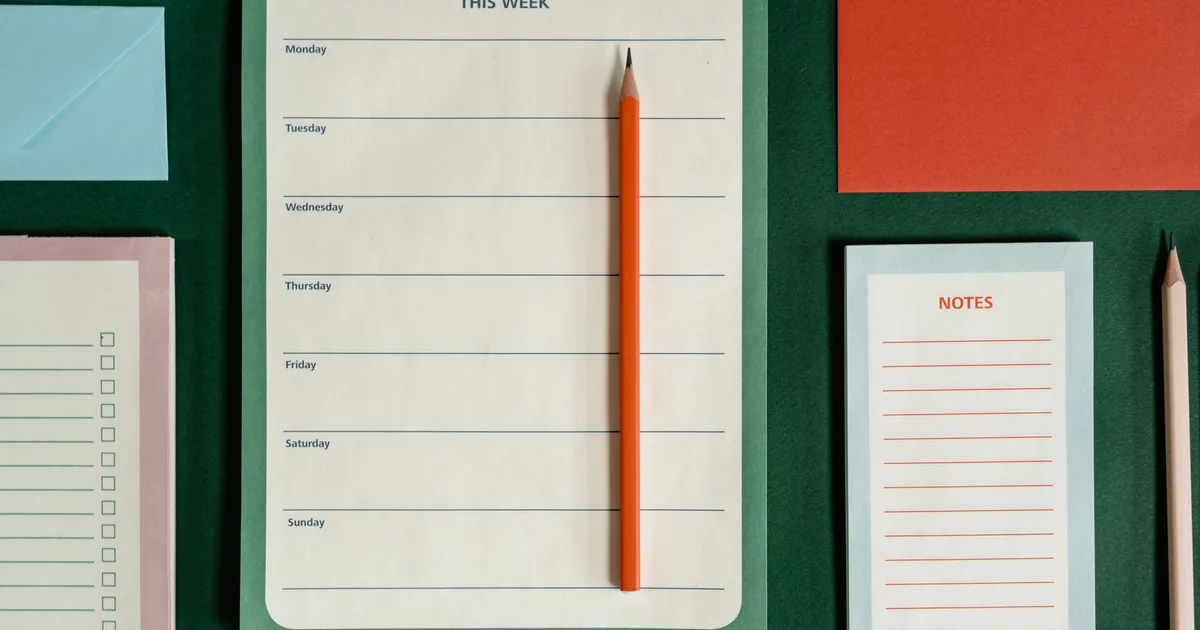
Mark your progress visibly. A checkmark for each completed day, a highlighted row, or a filled-in progress tracker keeps the momentum visual. Seeing how far you have come makes continuing easier.
Let yourself read at a reading pace, not a study pace. A one-year reading plan is not a deep study of every verse. It is a pass through the whole narrative. There will be passages you want to slow down and study, but the plan is not the place for that. Make a note and come back to it. Keep moving.

What the 52-Week Bible Reading Plan Does to You Over Time
Reading the entire Bible in a year changes things you cannot predict in advance. Passages you thought you knew become richer in context. Questions you have carried for years get answered by the text when you finally read the surrounding chapters. Themes you never noticed emerge when you read enough of the Bible at once to see them repeating.
The cumulative effect of fifty-two weeks of daily Scripture engagement is not primarily intellectual, though that changes too. It is relational. You know the God of Scripture better than you did a year ago because you have spent sustained, daily time in His Word.
Start the FaithSpark reading plans at mindgardenpress.com today, free in your browser. Or explore everything FaithSpark offers at mindgardenpress.com/faithspark-app/.