Bible reading plans work differently across different life stages and demographics. What works for a single woman who has an hour in the morning looks nothing like what works for a family of five trying to squeeze Bible reading into the fifteen minutes before school.
Here is a guide to Bible reading plans built for specific groups: women with focused spiritual growth goals, families with children at multiple ages, and kids who are old enough to have their own plan.
✝ Try FaithSpark Free
Free Bible reading plans for individuals and families at mindgardenpress.com, with built-in tracking and Scripture integrated for all ages.
Bible Reading Plans for Women
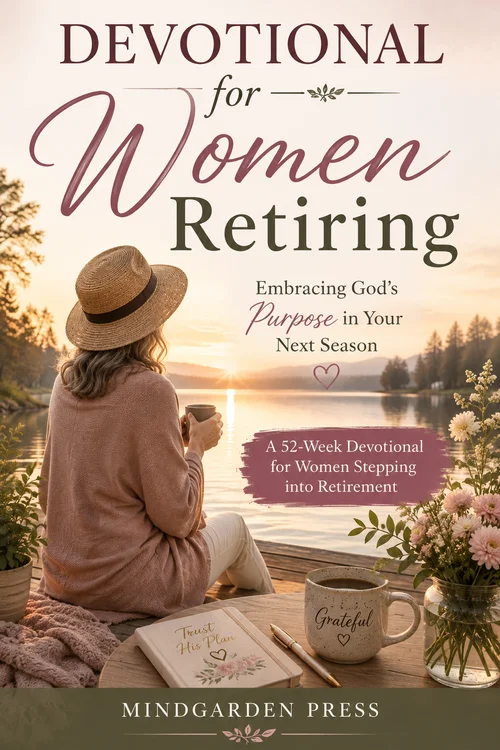
Women's Bible reading plans tend to fall into two categories: thematic plans that focus on topics particularly relevant to women's experience, and comprehensive plans that read through large portions of Scripture with a women's devotional lens.
Women of the Bible reading plan. Follow the women of Scripture from Genesis to Revelation: Eve, Sarah, Hagar, Rebekah, Rachel and Leah, Miriam, Deborah, Ruth, Hannah, Abigail, Esther, Mary the mother of Jesus, Mary Magdalene, Lydia, Priscilla. This thematic approach covers substantial Scripture while maintaining a through-line that is engaging and personally relevant.
Proverbs 31 verse-by-verse. A thirty-one day plan studying Proverbs 31 one verse per day, with the surrounding chapters of Proverbs for context. Slow and deep rather than broad.
The Epistles for women. Romans, Galatians, Ephesians, Philippians, Colossians, Titus. Paul's letters address the Christian life with theological depth and practical application relevant to anyone in the church, including women navigating questions of identity, community, relationships, and purpose.
Women's wisdom literature plan. Proverbs, Ruth, Esther, the Song of Solomon, and selected Psalms. These books speak with particular richness to women's experience of wisdom, loyalty, courage, love, and lament.

Family Bible Reading Plans That Work in Real Households
Family Bible reading plans work best when they are built around the reality that children have limited attention spans, different developmental needs, and varying levels of biblical background.
The 52-Week Family Bible Study at FaithSpark. The FaithSpark 52-week plan takes families from Genesis to Revelation over one year. Each week has a theme, key passages, age-appropriate discussion questions, and a family prayer. It is designed to be done in twelve to fifteen minutes and to engage children from elementary age through high school simultaneously. Completely free at mindgardenpress.com.
The narrative approach. Read through the narrative books of the Old Testament as a family story: Genesis, Exodus, Joshua, Judges, Ruth, Samuel, Kings. Then the Gospels. Then Acts. This follows the story arc of Scripture in a way that children find engaging because it reads like a story, because it is one.
The Sunday morning review. Rather than daily reading, commit to thirty minutes on Sunday mornings where the family reads the same passage together that you will hear in church that day. This connects family devotional life to the church community and makes the sermon more meaningful.
Bible Reading Plans for Kids
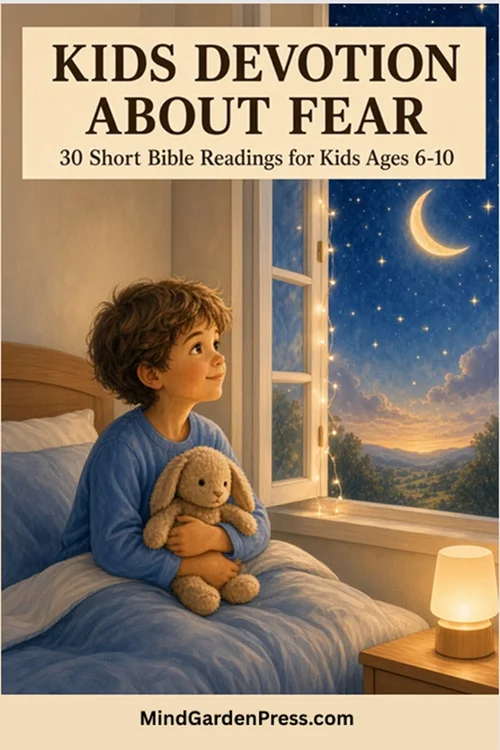
Children can maintain their own Bible reading plan as early as first or second grade, depending on their reading level. Here are age-appropriate approaches:
Grades 1-3: One verse per day. Write a verse on a card each week. The child reads it daily, memorizes it by Friday, and can recite it to a parent. Simple and builds the habit of daily Scripture engagement.
Grades 4-6: One chapter per week. One chapter of the Gospels or Acts per week, read three times during the week. Discussion with a parent on Friday about what they noticed or what confused them. At this pace, a child completes the New Testament in approximately five years of elementary school.
Grades 7-12: Standard reading plan. Teenagers can engage with a standard adult Bible reading plan. The NIV Student Bible or ESV Study Bible provide notes that help teenagers engage with context. Reading the same plan as a parent and discussing it creates natural faith conversations.

Making Family Bible Reading Stick Long-Term
The families I most admire who have sustained family Bible reading over years have one thing in common: they decided it was non-negotiable before they started.
Not "we will try to do this most days." But: this is what our family does. The same way we eat dinner together or go to church together. This is part of who we are.
That decision, made once and maintained, removes the daily negotiation about whether it will happen. It becomes part of the family's identity rather than one more thing on the to-do list.
The FaithSpark reading plans and 52-week Family Bible Study at mindgardenpress.com are free, browser-based tools to support exactly this kind of family commitment. Explore everything FaithSpark offers free at mindgardenpress.com/faithspark-app/.