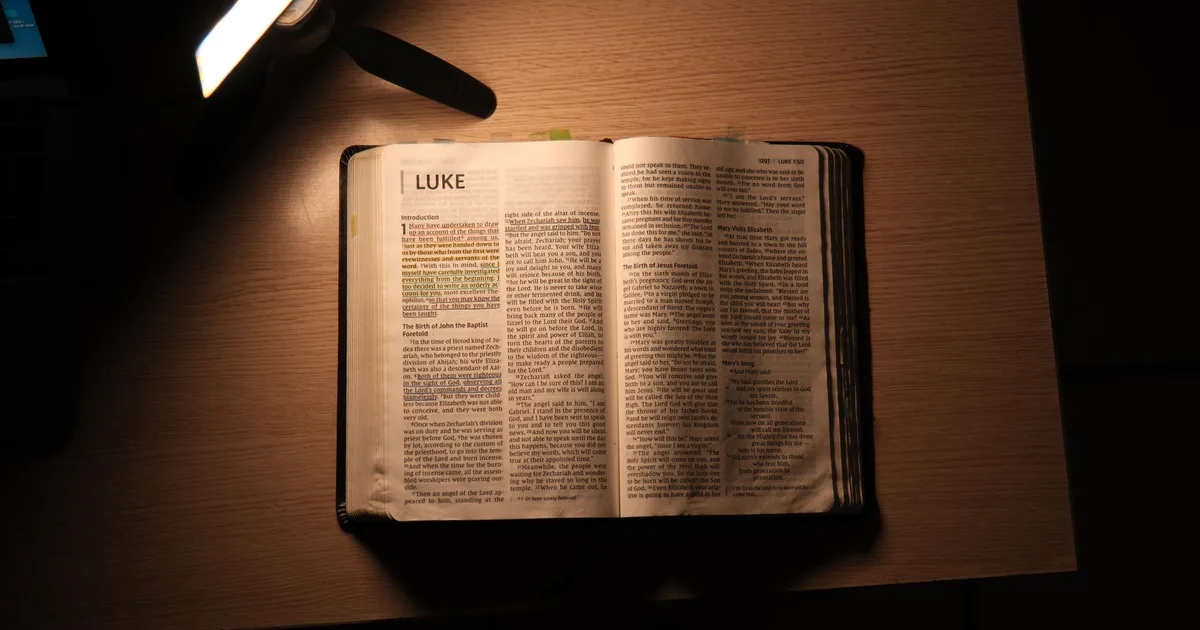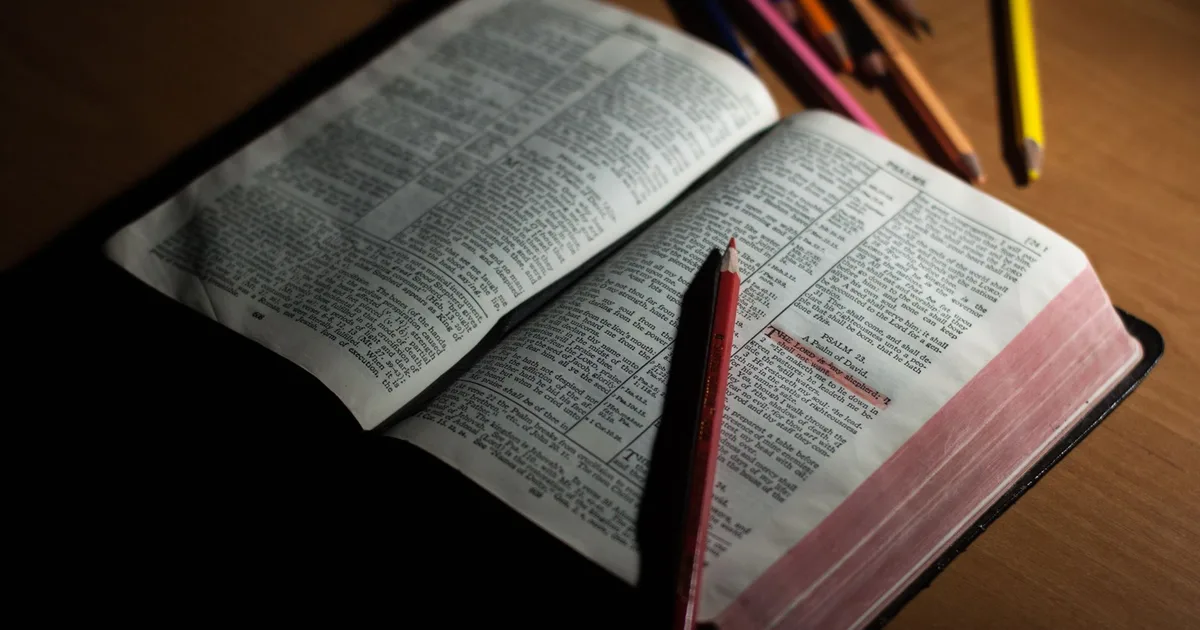
Starting to read the Bible consistently is one of the most valuable habits a person can build. It is also genuinely difficult if no one has ever shown you where to start.
The Bible is not a single book. It is sixty-six books written over approximately 1,500 years by dozens of authors in three different languages across multiple literary genres. Walking into it without a plan is like walking into a library and trying to read every book in alphabetical order by spine color.
Here is the honest beginner's guide to Bible reading plans.
✝ Try FaithSpark Free
FaithSpark reading plans for beginners are free at mindgardenpress.com, with Scripture passages, daily reflections, and progress tracking built in.
Why Beginners Should Not Start at Genesis
Every January, thousands of people start reading the Bible from the beginning with the intention of reading it cover to cover. By mid-February, most of them are in Leviticus and have stopped.
This is not because Leviticus is unimportant. It is because beginning readers do not yet have enough context to understand why the detailed purity codes and sacrifice instructions matter, and the unfamiliarity of the content without that context leads to disengagement.
The most effective approach for beginners is to start with the New Testament, specifically with the Gospels, where the central figure of all of Scripture is most clearly in focus. Once you understand who Jesus is and why His life, death, and resurrection matter, you have the lens through which the entire Old Testament comes into focus.
The Best Beginner Bible Reading Plan: 90 Days in the New Testament
The New Testament has 260 chapters. Reading approximately three chapters per day gets you through it in ninety days. Here is a simple structure:
Days 1-28: The Gospels. Matthew, Mark, Luke, John. You will read the same story four times from four different perspectives, which is more valuable than it sounds. Each Gospel has a distinct emphasis and audience.
Days 29-56: Acts and Paul's letters. Acts is the narrative bridge between the Gospels and the letters. Reading Acts before the letters gives you the historical context for the churches and situations Paul was addressing.
Days 57-90: The general letters and Revelation. Hebrews through Jude, then Revelation. Revelation is best understood after you have read the whole New Testament once, which you will have by the time you arrive here.
After ninety days in the New Testament, you are ready for the Old Testament. A one-year plan that covers both will feel very different after you have the New Testament framework in place.

Free Printable Bible Reading Plans for Beginners
For beginners who prefer a physical checklist, here are the options:
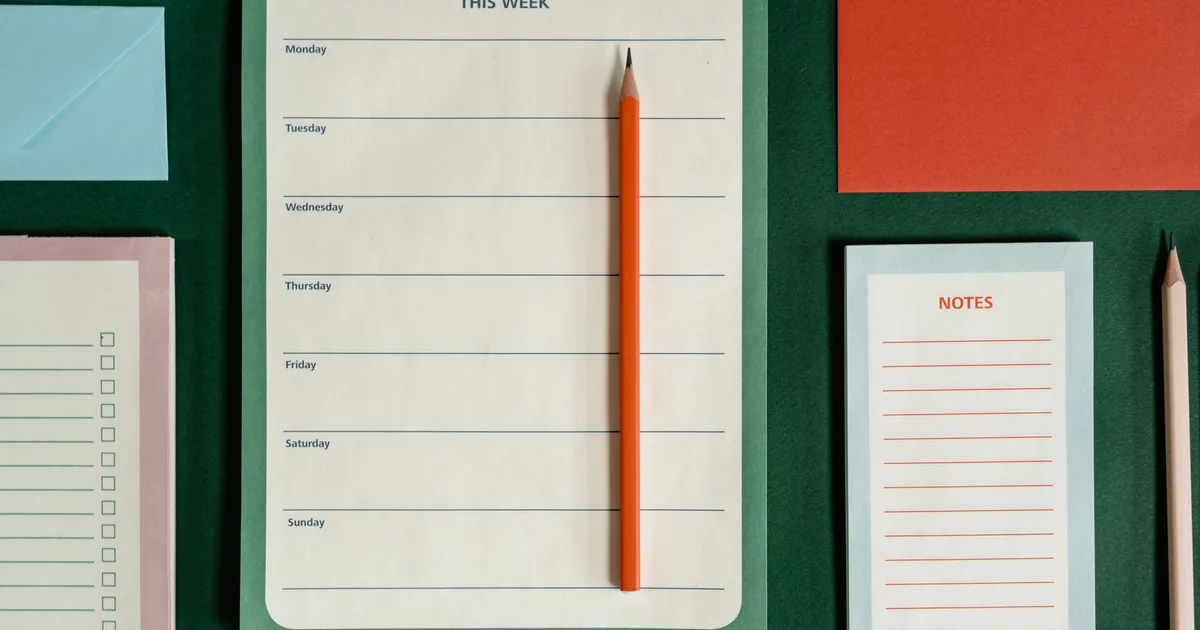
Print the 90-day New Testament plan. Write out the chapter sequence (Matthew 1-3, Matthew 4-6, etc.) in a simple table, print it, and check off each day. This takes about fifteen minutes to create and works as well as any commercial product.
Bible Gateway's beginner plans. Bible Gateway offers several free reading plans in PDF format designed for new Bible readers. Their "New Testament in a Year" plan is a good option for people who want a more relaxed pace through the same content.
The FaithSpark reading plans. The FaithSpark reading plans at mindgardenpress.com include a built-in reading tracker, daily reflections for each passage, and Scripture integrated directly into the plan so you do not have to jump between resources. Free to use in your browser.
What to Do When You Don't Understand What You're Reading
This happens to every reader, beginner and experienced alike. Here is a practical approach:
Read the surrounding context. If a verse or passage confuses you, read the five verses before it and the five verses after it. Most confusion about biblical passages is confusion about context.
Read a different translation. If your translation is difficult to understand, try the same passage in the New Living Translation or The Message. Modern language versions often clarify what a formal equivalent translation obscures.
Use a free study Bible resource. Bible Gateway and Bible Hub both offer free commentary resources that explain difficult passages in accessible language. You do not need to buy a study Bible to access study-level notes.
Write down the question and keep going. If you cannot resolve the confusion quickly, make a note and continue reading. Sometimes a question that puzzles you on Tuesday is answered by something you read on Friday. Do not let one difficult passage stop the whole practice.

The One Thing That Makes Bible Reading Plans Work
Consistency. Not length, not the quality of your notes, not the translation you use, not the time of day. Consistency.
A beginner who reads three chapters five days a week will develop more Scriptural grounding over a year than one who reads ten chapters on three Saturdays. The daily habit is the goal because it is the daily return to the Word that shapes how you see everything else.
Set the lowest bar you will actually clear every day. For most beginners, that is one chapter and five minutes of reflection. Start there. Let it grow naturally.
The FaithSpark reading plans at mindgardenpress.com are free and designed to support the beginner who is building this habit for the first time. Explore everything FaithSpark offers at mindgardenpress.com/faithspark-app/.