A daily devotional bible reading plan brings structure and consistency to your spiritual life, turning good intentions into lasting habits. Whether you're new to scripture or returning after a break, the right reading schedule helps you engage with God's Word in meaningful ways throughout the entire year.
Many Christians struggle to maintain regular Bible reading because they lack a clear roadmap. Random page flipping or starting Genesis with grand plans often leads to frustration and guilt. An intentional annual bible reading schedule solves this problem by breaking down the entire Bible into manageable daily portions.
This guide explores different reading plan approaches, helps you choose the best fit for your spiritual journey, and provides practical tips to stay consistent all year long.
Why Follow a Structured Scripture Reading Calendar
A structured reading calendar removes the daily guesswork of what to read next, ensures balanced exposure to all of Scripture, and builds the consistency that turns reading into lasting spiritual momentum.
A scripture reading calendar removes daily guesswork and decision fatigue from your devotional time. Instead of wondering where to read next, you simply follow your plan and focus on what matters most, encountering God through His Word.
Structured plans ensure you experience the full scope of scripture rather than gravitating toward familiar passages. You'll discover lesser-known books, see connections between Old and New Testaments, and develop a more complete understanding of God's redemptive story.
Consistency builds spiritual momentum. When you follow a set schedule, reading becomes a natural part of your routine rather than an occasional activity. This regularity allows scripture to shape your thinking patterns, inform daily decisions, and provide steady encouragement through all seasons of life.
Key benefits of following a reading calendar:
-
Eliminates decision paralysis about what to read next
-
Ensures balanced exposure to all scripture genres
-
Creates accountability through measurable progress
-
Builds confidence as you complete each day's reading
-
Provides a framework for group study or family devotions
Types of Daily Devotional Bible Reading Plans
The main reading plan types are chronological, book-by-book, thematic, and testament-focused, each suited to a different learning style and spiritual season.
Different reading plans serve different purposes and learning styles. Understanding your options helps you select an approach that resonates with how you best absorb and apply scripture.
Chronological Devotional Plan
A chronological devotional plan arranges scripture in the order events actually occurred rather than how books appear in the Bible. You'll read Job during the time of the patriarchs, Psalms alongside the kings who wrote them, and prophets in their historical context.
This approach helps you understand the timeline of biblical history and see how God worked throughout different eras. It's especially valuable if you enjoy narrative flow and want to grasp the big picture of redemptive history.
The challenge is that chronological plans sometimes jump between books frequently, which can feel disjointed. They also require more background knowledge to fully appreciate the historical connections being made.
Book-by-Book Reading Plans
Book-by-book plans take you through the Bible in traditional order, from Genesis to Revelation. You read each book completely before moving to the next, allowing you to immerse yourself in one author's voice and message at a time.
This straightforward approach works well for beginners who want to experience each book as a complete unit. It's easier to follow themes, understand context, and remember what you've read when you're not switching between multiple books daily.
Many book-by-book plans alternate between Old and New Testament readings to provide variety and balance throughout the year.
Thematic and Topical Plans
Thematic plans organize readings around specific topics like faith, prayer, love, or spiritual warfare. Each day's passages connect to the theme, allowing you to explore biblical teaching on particular subjects in depth.
These plans work beautifully when you're facing specific life circumstances or want to study what scripture says about particular issues. They're also excellent for group studies where everyone benefits from focused discussion on common themes.
The limitation is that thematic plans may skip large portions of scripture or take passages out of their broader context.
Testament-Focused Approaches
Some readers prefer spending extended time in either the Old or New Testament before switching. You might read the entire New Testament over several months, then move to the Old Testament for the remainder of the year.
This intensive focus allows you to become deeply familiar with one testament's language, themes, and theology before transitioning. It's particularly helpful for those who find the Old Testament challenging, concentrated reading builds familiarity and confidence.

How to Choose Your Annual Bible Reading Schedule
Choosing the right annual reading schedule starts with honest self-assessment of your spiritual maturity, available time, learning style, and whether you're reading alone or with others.
Selecting the right annual bible reading schedule starts with honest self-assessment. Consider your current spiritual maturity, available time, learning preferences, and personal goals for the year ahead.
Ask yourself these questions:
-
Am I new to consistent Bible reading or returning after a break?
-
Do I prefer narrative flow or topical study?
-
How much time can I realistically dedicate each day?
-
Do I want to read the entire Bible this year or focus on specific portions?
-
Will I read alone or with family, a friend, or a group?
-
Do I learn better through historical context or thematic connections?
Beginners often succeed with shorter daily readings from a book-by-book plan or a devotional that includes scripture selections with commentary. If you've completed the Bible before, a chronological devotional plan offers fresh perspective on familiar passages.
Your schedule should challenge you without overwhelming you. It's better to complete a modest plan consistently than to abandon an ambitious one after a few weeks. You can always adjust or intensify your reading as the habit strengthens.
Consider your life rhythms too. Parents of young children might need plans with shorter readings. Commuters might prefer audio-friendly plans they can listen to. Morning people might tackle dense Old Testament passages early, while night readers might prefer reflective Psalms or New Testament letters before bed.
Creating Your Daily Devotional Routine
A sustainable devotional routine comes down to a consistent time, a prepared physical space, and the right tools, a Bible, journal, or devotional guide kept ready and within reach.
The best reading plan fails without a sustainable daily routine. Building consistency requires intentional planning about when, where, and how you'll engage with scripture each day.
Establish a Consistent Time
Choose a specific time when you're alert and unlikely to be interrupted. Many people find morning reading sets a positive tone for the day, but evening reflection works equally well if that matches your energy patterns.
Anchor your devotional time to an existing habit, after your morning coffee, during lunch break, or before bed. This association helps the practice stick because it connects to an established routine.
Prepare Your Physical Space
Designate a comfortable spot with good lighting where you can focus. Keep your Bible, reading plan, journal, and pen in this space so everything is ready when you are.
Minimize distractions by silencing your phone and choosing a location away from high-traffic areas. Your devotional space should signal to your brain that it's time for focused spiritual engagement.
Use Helpful Tools and Resources
A physical Bible allows you to underline, make notes, and easily flip between passages. However, Bible apps offer search functions, multiple translations, and audio options that some readers prefer.
Keep a journal nearby to record insights, questions, prayers, or how passages apply to current situations. Writing deepens engagement and creates a valuable record of your spiritual journey.
Consider using a devotional guide that pairs scripture readings with reflection questions or application prompts. These resources help you move beyond simply completing the reading to actually absorbing and applying what you've read.
Staying Consistent with Your Scripture Reading Calendar
Staying consistent long-term means tracking your progress, building in accountability, keeping your plan flexible when you miss a day, and expecting, and pushing through, dry, mechanical-feeling seasons.
Starting strong is easy. Maintaining momentum through busy seasons, discouragement, or simple boredom requires strategy and grace.
Practical tips for long-term consistency:
-
Track your progress visually with a calendar or chart
-
Share your commitment with a friend for mutual accountability
-
Set phone reminders for your designated reading time
-
Keep your plan flexible, if you miss a day, simply continue rather than trying to catch up
-
Celebrate milestones like completing books or reaching the halfway point
-
Vary your approach if you feel stuck, read aloud, try a different translation, or listen to audio
Expect plateaus where reading feels mechanical or uninspiring. These dry seasons are normal and don't mean you're failing. Continue showing up, trusting that consistency itself honors God even when you don't feel emotionally moved.
When life disrupts your routine, illness, travel, family crisis, give yourself permission to adjust. Read shorter portions, skip the journaling, or simply read one Psalm. Maintaining some connection with scripture, even if modified, keeps the habit alive.
Remember that the goal isn't perfect completion but faithful engagement. A reading plan serves you; you don't serve the plan. If a particular approach isn't working, try a different one. The best daily devotional bible reading plan is the one you'll actually use.

Common Obstacles and How to Overcome Them
The most common obstacles to a reading plan, confusing passages, overwhelming portions, fading motivation, and guilt over missed days, all have simple, grace-filled fixes.
Every Bible reader faces challenges that threaten to derail their commitment. Anticipating these obstacles and having strategies ready helps you push through rather than give up.
Difficulty Understanding the Text
Some passages confuse even mature Christians. When you encounter difficult sections, don't let frustration stop you. Read multiple translations to clarify meaning, consult a study Bible's notes, or use a commentary for historical context.
It's okay to not understand everything immediately. Mark confusing passages and return to them later or discuss them with more experienced believers. Understanding deepens over time and with repeated exposure.
Feeling Overwhelmed by Large Portions
If your daily reading feels too long, split it into morning and evening sessions. You can also slow your pace, there's no rule saying you must finish the Bible in exactly one year.
Focus on quality over quantity. Reading three chapters with genuine attention and reflection provides more value than rushing through ten chapters just to check a box.
Losing Motivation After Initial Enthusiasm
The excitement of starting a new plan naturally fades. Combat this by varying your approach, read in different locations, try journaling differently, or discuss readings with others.
Remind yourself why you started. Reconnect with your initial goals and the benefits you've already experienced. Motivation follows action more often than it precedes it, so keep reading even when you don't feel like it.
Guilt from Missed Days
Perfectionism kills more reading plans than anything else. When you miss days, resist the urge to quit entirely or to binge-read to catch up, which often leads to burnout.
Simply pick up where you left off or start fresh with today's reading. God's grace covers our inconsistencies. What matters is returning to the practice, not maintaining a perfect streak.
Deepening Your Devotional Practice Beyond Reading
You deepen your devotional practice beyond reading through meditation, prayer that flows from the text, memorization and application, and discussing what you've read with others.
Reading scripture is foundational, but true devotional time includes additional practices that help you internalize and apply what you've read.
Meditation and Reflection
After reading, pause to meditate on a verse or theme that stood out. Ask yourself what the passage reveals about God's character, what it teaches about human nature, or how it applies to your current circumstances.
Meditation isn't emptying your mind but filling it with scripture, turning passages over slowly, considering different angles and implications.
Prayer Integration
Let your reading naturally flow into prayer. Respond to what you've read, praising God for attributes you've seen, confessing sins the passage exposed, asking for help applying commands, or interceding for others based on biblical promises.
This connection between reading and prayer transforms Bible study from information gathering into genuine conversation with God.
Memorization and Application
Choose key verses to memorize, writing them on cards or using a memorization app. Hiding God's Word in your heart provides spiritual resources during moments when you can't physically open your Bible.
Identify one specific way to apply what you've read that day. Application might be an attitude to adjust, a person to forgive, a habit to change, or a truth to share. Concrete application prevents Bible reading from becoming merely academic.
Community Discussion
Share insights with family members, a small group, or an accountability partner. Discussing what you're reading exposes you to different perspectives, clarifies your understanding, and creates relational accountability.
Even brief conversations, texting a friend about a meaningful verse or discussing a passage over dinner, deepen engagement and help you remember what you've read.
Adjusting Your Plan as You Grow
Your reading plan should change as you grow, evaluating what worked after each year and adjusting length, structure, or approach to match your current season.
Your spiritual needs and capacity change over time. A reading plan that worked beautifully last year might feel wrong this year, and that's perfectly normal.
After completing your first annual bible reading schedule, evaluate what worked and what didn't. Did you prefer longer or shorter daily readings? Did chronological order help or confuse you? Did you need more devotional commentary or less?
As you mature spiritually, you might move from devotional plans with extensive commentary to reading scripture more independently. Or you might discover that you benefit from the structure and insight that guided plans provide, regardless of experience level.
Some years you might focus on intensive study of specific books rather than reading the entire Bible. Other years might call for reading through scripture quickly to refresh your overall understanding. Both approaches have value depending on your current season and goals.
The key is remaining flexible and honest about what genuinely helps you engage with God through His Word. Your reading plan should serve your spiritual growth, not become a legalistic burden.
Start Your Year-Long Journey with Guided Daily Devotions
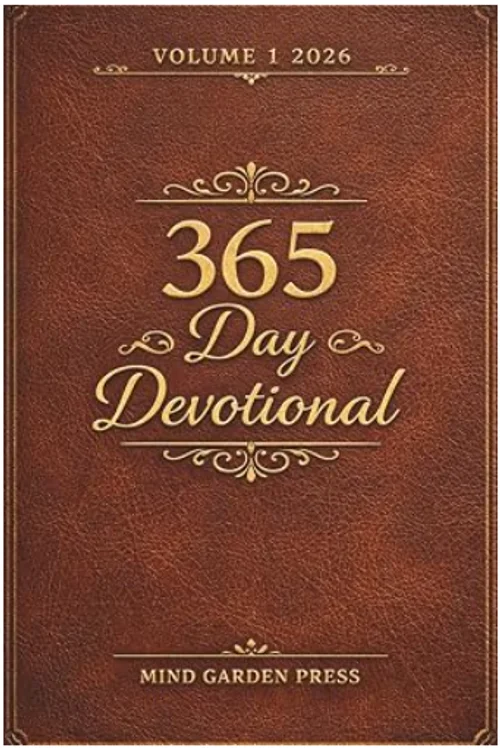
The Faith Building Devotional: A 365 Day Devotional with Scripture provides everything you need for a meaningful year of daily Bible engagement. Each day includes a carefully selected scripture passage, thoughtful reflection, and practical application to help you grow closer to God. This devotional removes the guesswork from your daily quiet time while giving you the structure and encouragement to stay consistent all year long.
Related Articles
The Faith Building Devotional: A 365 Day Devotional with Scripture provides everything you need for a meaningful year of daily Bible engagement. Each day includes a carefully selected scripture passage, thoughtful reflection, and practical application to help you grow closer to God. This devotional removes the guesswork from your daily quiet time while giving you the structure and encouragement to stay consistent all year long.