Learning how to stay consistent with daily devotionals is one of the most common challenges believers face in their spiritual journey. You start with enthusiasm, maybe even manage a few days or weeks, then life happens, and suddenly you realize it's been a month since you opened your Bible.
The good news? Devotional consistency isn't about perfection. It's about creating sustainable habits that work with your schedule, personality, and season of life. Whether you're a morning person who thrives on routine or someone juggling unpredictable days, there's a strategy that will work for you.
In this guide, you'll discover 12 proven approaches to maintaining prayer routine and overcoming devotional struggles. These aren't theoretical tips, they're practical methods that real people use to keep their spiritual lives vibrant and growing.
1. Start Smaller Than You Think You Should
Start with five minutes, not an hour-long routine, consistency at a small commitment beats an ambitious plan you abandon after three days.
The biggest mistake people make when building devotional consistency is starting too big. You decide you'll read five chapters daily, journal for 20 minutes, and pray through a comprehensive list. By day three, you're exhausted.
Instead, start with just five minutes. Read one chapter or even a few verses. Pray for two minutes. The goal isn't to impress God or anyone else, it's to show up consistently.
Once five minutes becomes automatic, you can gradually expand. But many people find that even a short, consistent practice transforms their spiritual life more than occasional marathon sessions ever did.
2. Anchor Your Devotional to an Existing Habit
Attach your devotional time to something you already do daily without fail, the existing habit becomes the trigger that makes the new one automatic.
Habit stacking is one of the most effective devotional consistency tips available. Instead of trying to create a brand new routine from scratch, attach your devotional time to something you already do every day.
Here are some practical examples:
- Right after you pour your morning coffee
- Before you check your phone in the morning
- During your lunch break, before eating
- After you put the kids to bed
- While your computer boots up for work The existing habit serves as a trigger, making it much easier to remember and follow through. Your brain already has neural pathways for the anchor habit, you're just adding one more step to the sequence.
3. Prepare Everything the Night Before
Eliminate decision fatigue by setting out your Bible, journal, and reading spot before bed, removing every bit of friction between you and starting.
Friction is the enemy of consistency. Every obstacle between you and your devotional time increases the chance you'll skip it.
Set yourself up for success by eliminating decision fatigue:
- Place your Bible, devotional book, and journal where you'll do your reading
- Bookmark the page you'll start on
- Have your pen ready
- If you use a Bible app, leave it open to your reading
- Set out your coffee mug or tea When you wake up or reach your devotional time, everything is ready. You just sit down and begin. This simple preparation dramatically increases follow-through rates.

4. Choose the Right Time for Your Personality
The right time is whichever one you'll actually do consistently, there's no biblical mandate for 5 AM, so work with your natural rhythms instead of against them.
There's no biblical mandate that devotions must happen at 5 AM. While many people thrive with morning routines, others are night owls who think more clearly in the evening.
Consider when you're naturally most alert and least distracted. For some, that's early morning before the household wakes. For others, it's during a lunch break or after evening responsibilities are done.
Experiment with different times for at least a week each. Pay attention to when you feel most engaged with what you're reading, not just when you "should" do it. Maintaining prayer routine becomes much easier when you work with your natural rhythms instead of against them.
The best time for devotions is the time you'll actually do them consistently.
5. Use a Physical or Digital Tracker
Visual progress, like a calendar streak or habit app, creates a small dopamine hit that reinforces the behavior and motivates you to keep showing up.
Visual progress creates motivation. Seeing a streak of consecutive days or a filled-in habit tracker triggers a psychological desire to keep the pattern going.
Choose a tracking method that appeals to you:
- A simple wall calendar with X marks
- A habit tracking app like Habitica or Streaks
- A bullet journal with a devotional tracker
- A jar where you add a marble or stone each day
- Checkboxes in your planner The act of marking completion provides a small dopamine hit that reinforces the behavior. Plus, when you're tempted to skip, seeing your streak can provide just enough motivation to follow through.
6. Create a Dedicated Space
A specific, consistent spot for devotions signals to your brain that it's time to focus spiritually, environmental design matters more than willpower.
Environmental design matters more than willpower. Having a specific spot for devotions signals to your brain that it's time to focus spiritually.
Your space doesn't need to be elaborate. It might be:
- A comfortable chair by a window
- A corner of your couch with good lighting
- Your kitchen table before anyone else is awake
- A bench in your backyard
- Even your car during lunch break What matters is consistency. Using the same location repeatedly builds a mental association. When you sit in that spot, your mind automatically shifts into devotional mode. This is one of the most underrated devotional consistency tips for overcoming devotional struggles.
7. Plan for Disruptions in Advance
Long-term consistency doesn't come from fewer disruptions, it comes from having a backup plan, like a minimum viable devotion, ready before you need it.
Life will interrupt your routine. Travel, illness, family emergencies, and busy seasons are inevitable. The question isn't whether disruptions will happen, it's how you'll handle them.
Create a backup plan before you need it:
- Identify a "minimum viable devotion" for chaotic days (maybe just reading one Psalm)
- Download a Bible app so you can read anywhere
- Keep a small devotional book in your car or bag
- Give yourself permission to do devotions at unusual times when necessary People who maintain long-term consistency don't have fewer disruptions, they just have better strategies for adapting. Flexibility within structure is the key to maintaining prayer routine through all seasons.
8. Find an Accountability Partner
Someone who checks in regularly turns intention into action, knowing they'll ask about your devotional life makes you significantly more likely to follow through.
Accountability transforms intention into action. When you know someone will ask about your devotional life, you're significantly more likely to follow through.
Look for someone who:
- Is also working on devotional consistency
- Will ask genuine questions without judgment
- You can text or call easily
- Shares similar spiritual goals Set up a simple system, maybe a weekly check-in call, daily text messages, or a shared tracking spreadsheet. Some people even do devotions simultaneously over video call, creating both accountability and community.
The goal isn't perfection; it's honest conversation about the journey. Sharing struggles and victories makes the process less isolating and more sustainable.

9. Rotate Your Devotional Content
Mixing up books, translations, and formats keeps your daily practice fresh, structure provides consistency, but variety within it keeps boredom from derailing you.
Boredom is a legitimate obstacle to consistency. Reading the same type of content in the same way every day can feel stale, even when you're reading Scripture.
Build variety into your practice:
- Alternate between Old and New Testament books
- Mix in Psalms or Proverbs between longer books
- Use different devotional guides throughout the year
- Try different Bible translations occasionally
- Include some days focused on memorization or meditation Structure provides consistency, but variety within that structure keeps things fresh. You're still showing up daily, but what you're engaging with changes enough to maintain interest.
10. Address the Guilt Cycle Immediately
Decide right now that missing a day is not a failure, just data, breaking the guilt-avoidance spiral before it turns one missed day into an abandoned practice.
Here's what often happens: You miss a day, feel guilty, then avoid your devotions because the guilt makes it uncomfortable. You miss another day, the guilt intensifies, and soon you've abandoned the practice entirely.
Break this cycle by deciding right now that missing a day is not a failure, it's just data. When you miss a devotional time, simply ask yourself: "What got in the way, and how can I plan around that next time?"
No shame, no guilt spiral, no starting over from day one. Just gentle curiosity and problem-solving. This mindset shift is crucial for overcoming devotional struggles and building lifelong consistency.
God isn't disappointed when you miss a day. He's delighted when you come back.
11. Make It Enjoyable, Not Just Dutiful
Add pleasant sensory elements, a favorite drink, a calming view, soft music, so your brain associates devotional time with something it actually wants to return to.
If devotions feel like a chore you're forcing yourself through, consistency will always be a struggle. While spiritual disciplines require commitment, they shouldn't feel like punishment.
Add elements that make the experience genuinely pleasant:
- Use a beautiful journal you enjoy writing in
- Light a candle that creates a peaceful atmosphere
- Make your favorite coffee or tea as part of the ritual
- Sit in a spot with a view you find calming
- Play instrumental worship music softly in the background These aren't distractions, they're ways of honoring the importance of this time. When you associate devotions with pleasant sensory experiences, your brain naturally wants to return to the practice.
12. Use a Structured Devotional Resource
A structured resource removes the daily decision of what to read, you simply open to today's date and begin, which eliminates the friction that kills consistency.
Decision fatigue kills consistency. If you have to figure out what to read, where to start, and what to focus on every single day, you're adding unnecessary friction.
A structured devotional resource removes that barrier. You simply open to today's date and begin. Everything is already planned, the Scripture reading, the reflection, the prayer focus.
This doesn't mean you can't also read other parts of Scripture or pray about other things. But having a foundation that requires zero planning makes it much easier to show up consistently, especially on busy or low-motivation days.
The structure provides the consistency framework, while your personal prayers and reflections add the customization that makes it meaningful to you.
Overcoming Common Devotional Struggles
The most common struggles, wandering thoughts, feeling like nothing is sinking in, low motivation, and a busy schedule, each have a practical fix rather than requiring more discipline.
Even with solid strategies in place, you'll face challenges. Understanding the most common devotional struggles helps you prepare for them.
Distractions and wandering thoughts: This is completely normal. When your mind wanders, gently bring it back without self-criticism. Some people find that reading aloud or writing key phrases helps maintain focus.
Feeling like you're not "getting anything" from it: Spiritual growth isn't always immediately apparent. Trust that consistent time in Scripture is shaping you even when you don't feel dramatic insights. Some days are about obedience and presence, not epiphanies.
Lack of motivation: Motivation follows action more often than it precedes it. Start with just two minutes, and you'll often find that once you begin, continuing is easier. Rely on your systems and habits rather than waiting for motivation to strike.
Busy schedule: If you genuinely don't have five minutes in your day, your schedule needs restructuring for health reasons beyond just devotions. But most of us do have the time, we're just allocating it elsewhere. Audit where your time actually goes, and you'll likely find pockets you can redirect.
Building a Sustainable Long-Term Practice
A sustainable practice isn't measured in a perfect week or month, it's built by thinking in seasons rather than streaks and reviewing what's working every few months.
Understanding how to stay consistent with daily devotionals isn't about perfection over a week or a month. It's about building a practice that lasts for years.
Think in seasons rather than streaks. Some seasons of life allow for 30-minute devotional times. Others require scaling back to 10 minutes. Both are valuable. Both keep you connected to God and His Word.
The goal is to still be doing this a year from now, five years from now, decades from now. That requires grace, flexibility, and strategies that adapt to changing circumstances.
Review your devotional practice quarterly. What's working? What's feeling forced? What adjustments would help? This regular evaluation keeps your practice sustainable rather than letting small frustrations build until you quit entirely.
Remember that consistency doesn't mean never missing a day. It means having a pattern you return to, a rhythm that shapes your life even when it's occasionally interrupted. That's the kind of consistency that transforms you over time.
A Devotional Designed for Real Consistency
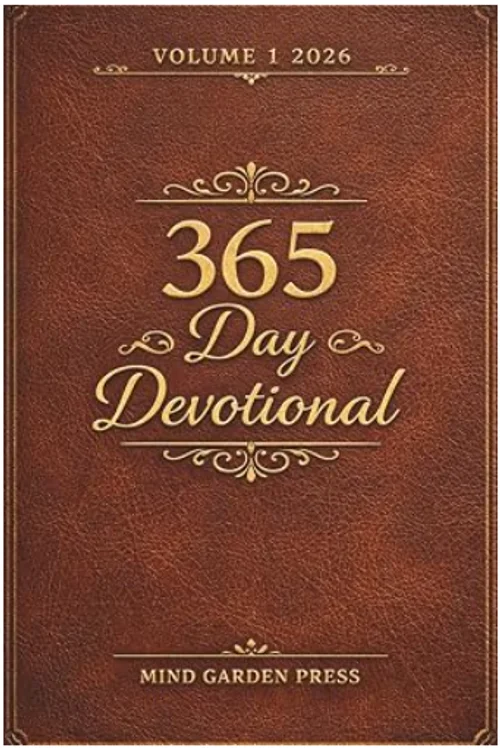
The Faith Building Devotional: A 365 Day Devotional with Scripture provides exactly the kind of structure that makes daily consistency achievable. Each day includes a carefully selected Scripture passage, a focused reflection, and a practical application, all on a single page. No decisions about what to read, no overwhelming length, just a clear path through an entire year of spiritual growth. It's the resource many people credit with finally helping them build a sustainable devotional practice.


[Get Your Copy on Amazon](https://www.amazon.com/dp/B0GR4MZ8PF)
Related Articles
- How to Start a Daily Devotional Habit
- Morning Devotional Routine for Christians
- Short Daily Devotional for Today
The Faith Building Devotional: A 365 Day Devotional with Scripture provides exactly the kind of structure that makes daily consistency achievable. Each day includes a carefully selected Scripture passage, a focused reflection, and a practical application, all on a single page. No decisions about what to read, no overwhelming length, just a clear path through an entire year of spiritual growth. It's the resource many people credit with finally helping them build a sustainable devotional practice.