Youth Bible study is different from adult Bible study in one critical way: teenagers can smell inauthenticity from across the room.
If the leader is not genuinely engaged with the text, if the discussion questions are designed to produce the answers the curriculum already decided on, if the application is generic and the prayer is perfunctory, teenagers know it. They may not be able to articulate it, but they will stop showing up.
Here is what actually works in youth Bible study.
✝ Try FaithSpark Free
FaithSpark has free Bible courses, a Bible reader, and games for teenagers at mindgardenpress.com. No download required to get started.
What Makes Youth Bible Study Actually Work
The most effective youth Bible studies I have seen share several qualities that have nothing to do with the curriculum.
The leader is visibly learning. When a youth leader says "I read this passage this week and it bothered me and I still don't have it figured out," teenagers lean in. Certainty delivered at teenagers closes them off. Honest engagement invites them in.
The questions are real questions. Not "What does Jesus mean when He says to love your neighbor?" (teenagers know the Sunday school answer and will give it) but "Who is the person in your life who is hardest to think of as your neighbor, and what would it actually cost you to love them?" The second question has no safe answer, which means it produces real conversation.
The culture is safe for honest response. Teenagers will go as deep as the room is safe. If the first person who shares something vulnerable is met with a Bible verse and a pat answer, no one else will take a risk. If they are met with curiosity and real engagement, the room opens up.
The application is specific and personal. Not "apply this to your life" but "this week, what is one specific thing you are going to do differently based on what we read?"

Best Books of the Bible for Youth Bible Study
Mark. Fast-paced, action-heavy, and centered on what Jesus does rather than what He says. Mark 1-3 alone includes a baptism, a temptation, four disciples called, a demon cast out, a mother-in-law healed, and a leper cleansed. Teenagers who love narrative momentum stay engaged.
Ecclesiastes. This is a counterintuitive choice that works extraordinarily well with thoughtful teenagers. The Preacher's wrestling with meaninglessness, with the vanity of human achievement, with the question of what makes life worth living, connects directly with the questions teenagers are already asking. "Meaningless, meaningless, everything is meaningless" is a statement that needs to be engaged, not suppressed, and Ecclesiastes does it within a framework that ends in the fear of God.
James. No teenager has ever been bored by James. It is direct, practical, and addresses things they are actually dealing with: controlling your tongue, showing favoritism, the relationship between faith and action, trusting God with an uncertain future.
The Gospel of John. For youth groups ready for theological depth, John is the most rewarding. Chapters 13-17 (the Last Supper discourse) are one of the richest sections of the New Testament and generate discussion about identity, love, prayer, and the Holy Spirit that teenagers engage with seriously when the discussion is led well.
Family Bible Study with Teens
For families with teenagers, Bible study at home looks different from youth group but can be equally significant. Here are three formats that work:
The dinner table question. One question per week connected to whatever book of the Bible the family is reading together. The question is open-ended, does not have a Sunday school answer, and every family member answers including the parents. The parents' honest engagement is what makes teenagers want to engage.
Individual reading with weekly discussion. Each family member reads the same passage or chapter during the week at their own time. Sunday dinner is a thirty-minute discussion: what did you notice, what confused you, what are you taking from it?
The questions your teenager is actually asking. Start with the question, not the passage. If your teenager is asking about suffering, or about whether Christians are intolerant, or about what happens to people who never heard about Jesus, find the passages that engage those questions and study them together. The question provides the motivation; the Scripture provides the substance.

Free Resources for Youth Bible Study
The FaithSpark Bible courses at mindgardenpress.com/faithspark-app/explore/ cover topics that teenagers genuinely engage with: the Life of Jesus, biblical characters, prophecy, and addiction and recovery. All free in your browser.
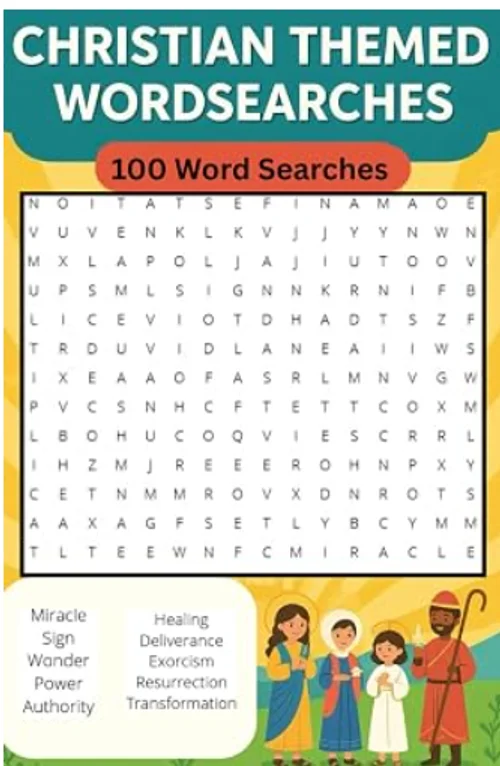
The FaithSpark Bible games at mindgardenpress.com/faithspark-app/games/ are free and work well as warm-ups or closings for youth Bible study: Bible trivia, word search, and Sudoku reinforce what teenagers are learning in a format they will actually want to use.
BibleProject on YouTube. Free animated videos that explain the structure and theology of every book in the Bible. Teenagers who watch even two or three of these have more context for Bible study than most adults.
The FaithSpark Bible reader. The full KJV Bible reader is free in the browser. For youth groups that do not want to depend on everyone having a physical Bible, this is a reliable, free alternative.
Explore everything FaithSpark offers free at mindgardenpress.com/faithspark-app/.