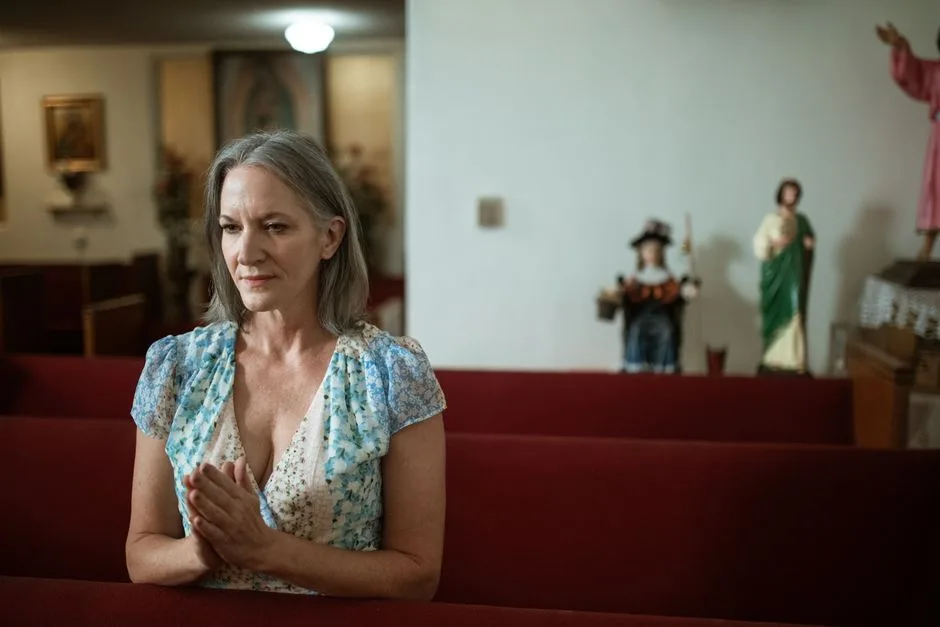
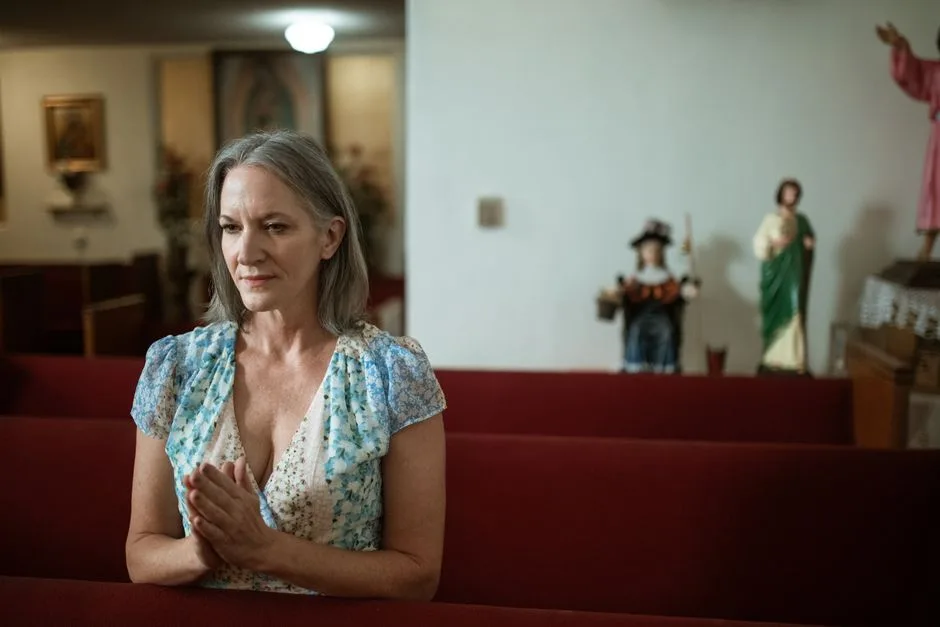
I've watched widows in my own church community navigate grief that doesn't follow a tidy timeline, often quietly, often without enough support around them. The Bible takes this seriously, more seriously, honestly, than a lot of churches actually practice today. God's concern for widows shows up again and again, from the law to the prophets to the Gospels.
✝ Try FaithSpark Free
AI-powered daily devotionals, a prayer journal, and Bible reader, built by a truck driver who needed something real for the road.
What Does the Bible Say About Widows? The Short Answer
The Bible consistently portrays God as a defender of widows and calls His people to provide practical, tangible care for them, treating this not as optional charity but as a core expression of genuine faith.
Deuteronomy 10:18 says God "defends the cause of the fatherless and the widow." James 1:27 names caring for widows as part of what makes religion "pure and faultless" before God. This theme runs from the earliest law through the New Testament, care for widows isn't a peripheral concern in Scripture. It's central to how God describes genuine faith in action.
God's Heart as Defender of Widows
Throughout the Old Testament, God repeatedly identifies himself as a defender and provider for widows, building specific protections for them directly into Israel's law and warning against their exploitation.
Exodus 22:22 warns directly against taking advantage of a widow. Deuteronomy 24:19-21 includes specific provisions in the law allowing widows to gather leftover grain and produce from harvests, built-in provision, not dependent on charity alone. Psalm 68:5 calls God "a father to the fatherless… defender of widows."
This wasn't abstract sympathy. These were concrete legal and social structures designed to ensure widows, often among the most economically vulnerable people in ancient society, had real, structural access to provision.
The Widow of Zarephath: Faith in Genuine Desperation
1 Kings 17 records the widow of Zarephath sharing her last remaining food with the prophet Elijah during a severe famine, an act of trust that God rewarded with miraculous, sustained provision.
1 Kings 17:12 records her telling Elijah she had only "a handful of flour in a jar and a little olive oil in a jug," enough for one final meal for herself and her son before the famine took them. Elijah asked her to make food for him first, with a promise that God would provide. She did, in genuine desperation, and 1 Kings 17:16 says the flour and oil didn't run out for the rest of the famine.
This story doesn't minimize how real her desperation was. It shows faith exercised in the middle of genuine scarcity, not from a place of comfortable abundance, and God's provision meeting her exactly there.
Ruth: Loyalty and Redemption Through Widowhood
Ruth's story follows her widowhood alongside her mother-in-law Naomi, her choice of loyalty over self-preservation, and her eventual provision through Boaz, becoming part of the direct lineage leading to King David and Jesus.
Ruth 1:16 records Ruth's famous declaration to Naomi: "Where you go I will go… Your people will be my people and your God my God." Both women were widows facing real uncertainty, and Ruth chose loyalty over the safer path of returning to her own family. Her story resolves through Boaz, a kinsman-redeemer, and Ruth becomes part of the direct genealogical line leading to King David, and eventually to Jesus (Matthew 1:5).
Her story is a picture of provision arriving through faithful, ordinary loyalty in the middle of real loss, not a quick fix, but a redemptive arc that unfolds over real time.

The Widow's Mite: Sacrificial Generosity
Mark 12:41-44 records Jesus praising a poor widow's small offering as greater, in God's eyes, than the large contributions of wealthy givers, because she gave sacrificially out of her genuine poverty.
Mark 12:42-44 describes a poor widow putting in two small copper coins, while wealthy people gave much larger sums. Jesus says she "put in more than all the others… she, out of her poverty, put in everything, all she had to live on." This isn't a story about widows needing to give everything away, it's Jesus noticing and honoring a kind of sacrificial faith that the world's usual measurements of generosity completely miss.
How the Church Is Called to Care for Widows Today
The New Testament continues the call to care for widows practically, with 1 Timothy 5 giving specific instructions to the early church about supporting widows within their community.
1 Timothy 5:3 instructs the church to "give proper recognition to those widows who are really in need." This wasn't a suggestion left to individual discretion, it was treated as a structural responsibility for the early church community. If you're part of a church, this is a concrete, practical way to live out James 1:27's definition of genuine faith, not just sympathy, but real, organized, ongoing care.