I've felt real fear plenty of times on the road, black ice on a mountain pass, a diagnosis call I wasn't ready for, financial stretches that kept me up at night. The Bible doesn't pretend fear isn't real. What it offers is somewhere to put it that's bigger than the thing scaring you.
✝ Try FaithSpark Free
AI-powered daily devotionals, a prayer journal, and Bible reader, built by a truck driver who needed something real for the road.
What Does the Bible Say About Fear? The Short Answer
The Bible doesn't deny that fear is real, but it consistently redirects it, pointing believers to God's presence and power as bigger than whatever they're afraid of, rather than commanding fear away by sheer willpower.
"Do not fear" or some version of it appears well over 100 times in Scripture, and it's almost always paired with a reason, usually God's presence. Isaiah 41:10 says, "So do not fear, for I am with you; do not be dismayed, for I am your God." The command isn't standing alone, demanding you white-knuckle fear away. It's anchored to a reason that's meant to actually hold weight.
God Has Not Given a Spirit of Fear
2 Timothy 1:7 contrasts a paralyzing, identity-defining spirit of fear with the power, love, and sound mind God gives instead, suggesting fear isn't meant to be the governing force in a believer's life.
2 Timothy 1:7 says, "For God has not given us a spirit of fear, but of power, and of love, and of a sound mind." Paul wrote this to Timothy, who was facing real persecution and intimidation, this wasn't a casual context. The contrast matters: fear as a controlling spirit versus power, love, and sound thinking as what God actually equips you with.
This doesn't mean Timothy, or you, will never feel a spike of fear. It means fear isn't supposed to be the operating system running your decisions and your identity. Something steadier is meant to run that instead.
Trusting God in the Moment You're Actually Afraid
Psalm 56:3 models the practical antidote to fear as an active, repeated choice to trust God specifically in the moment fear is present, not a state achieved only after fear has already passed.
Psalm 56:3 says, "When I am afraid, I will put my trust in you." Notice the timing, "when I am afraid," not "once I'm no longer afraid." David wrote this while genuinely being pursued and threatened. The trust isn't a retroactive reflection after the danger passed. It's a choice made in real time, in the middle of the fear itself.
I've practiced this on stretches of highway in genuinely dangerous conditions, naming the fear honestly to God instead of pretending it away, then choosing to trust Him with the actual outcome I couldn't control. That's not a magic trick that removes the fear instantly. It's a real practice that's helped me function instead of freeze.
Fear and Anxiety: Bringing It to God in Prayer
Philippians 4:6-7 connects facing anxiety and fear directly to prayer, bringing the specific fear to God with gratitude, resulting in a peace that guards the heart even before circumstances change.
Philippians 4:6-7 says, "Do not be anxious about anything, but in every situation, by prayer and petition, with thanksgiving, present your requests to God. And the peace of God… will guard your hearts and your minds." This connects directly to fear, since a lot of fear is really anxiety about a possible future. The instruction is specific: name the actual fear, bring it honestly to God, mix in gratitude, and watch for a peace that doesn't necessarily depend on the situation resolving first.
Walking Through the Valley Without Being Controlled by Fear
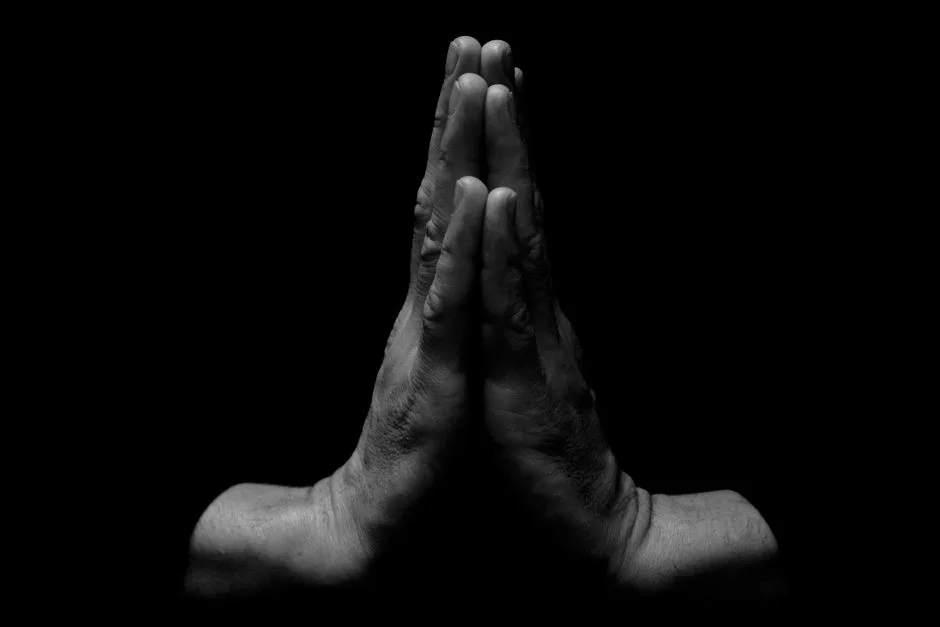
Psalm 23:4 promises God's presence specifically in the darkest, most frightening valleys of life, not removal from fearful circumstances, but companionship through them that prevents fear from having the final word.
Psalm 23:4 says, "Even though I walk through the darkest valley, I will fear no evil, for you are with me." That's not a promise the valley won't be dark or frightening. It's a promise about what walks through it with you. I've found that distinction to be the difference between fear controlling me completely and fear being present but not in charge.
A Practical Step for Facing Fear Today
If you're afraid right now, naming the specific fear honestly to God in prayer, and choosing to trust Him with what you can't control, is the concrete practice Scripture consistently points toward.
If fear has a grip on you right now, try what David modeled directly: name the specific thing you're afraid of, out loud or written down, and tell God exactly that. Don't skip past the honesty to get to faith faster than it actually comes. Trust isn't pretending you're not afraid, it's choosing, in the middle of being afraid, to hand the outcome to someone bigger than the fear itself.