I've had a dog riding shotgun on more hauls than I can count, and there's something about that companionship that's made me think more about what the Bible actually says regarding animals and our relationship to them. Scripture gives humans a distinct, elevated status, but it also takes animal welfare seriously, more seriously than people sometimes assume.
✝ Try FaithSpark Free
AI-powered daily devotionals, a prayer journal, and Bible reader, built by a truck driver who needed something real for the road.
What Does the Bible Say About Animals and Humans? The Short Answer
The Bible distinguishes humans from animals through being uniquely made in God's image, while also calling humans to responsible, caring stewardship over animals, not careless exploitation.
Genesis 1:27 says God created humanity "in his own image", a status Scripture never extends to animals, even while affirming that all creation, animals included, is called "very good" in Genesis 1:31. This establishes both a real distinction and a real value: humans hold a unique place, and animals still matter genuinely to God.
Made in God's Image: What Sets Humans Apart
Genesis 1:26-27 specifically describes humans, and only humans, as made in God's image, a unique status that grounds human dignity and distinguishes humanity's role from that of animals within creation.
Genesis 1:26 records God's intention: "Let us make mankind in our image, in our likeness, and let them rule over the fish in the sea and the birds in the sky, over the livestock and all the wild animals." This image-bearing status isn't extended to animals anywhere in Scripture. It's specifically and exclusively human, and it's the foundation for humanity's unique role and responsibility within creation, including the authority described over animals.
This distinction matters for how Scripture frames moral responsibility too, humans are held to moral accountability before God in a way Scripture doesn't describe for animals, who act according to instinct rather than moral choice.

Dominion Means Stewardship, Not Exploitation
Genesis 1:28's command for humans to have "dominion" over animals is best understood alongside Genesis 2:15's call to care for the garden, authority paired consistently with responsibility, not a license for careless exploitation.
Genesis 1:28 gives humans "dominion" over animals, but Genesis 2:15 immediately frames humanity's broader role in creation as being placed in the garden "to work it and take care of it." Read together, the picture is stewardship, real authority, paired with real responsibility for the wellbeing of what's being stewarded, not ownership without obligation.
I think about this when I see how some people treat working animals, including dogs on the road, the dominion Scripture describes was never meant as a blank check for neglect or cruelty. It came bundled with real responsibility from the very first chapters of the Bible.
Proverbs 12:10: Cruelty to Animals Is a Real Moral Failing
Proverbs 12:10 directly connects how a person treats animals to their character, naming cruelty toward animals as a genuine moral failing rather than a neutral or insignificant matter.
Proverbs 12:10 says plainly, "The righteous care for the needs of their animals, but the wicked are cruel to them." This is a direct moral statement, not a vague sentiment, but a clear connection between character and the treatment of animals. Scripture doesn't treat animal welfare as outside the scope of genuine righteousness.
Deuteronomy 25:4 even includes a specific instruction not to muzzle an ox while it's treading out grain, allowing it to eat as it works, a small but concrete example of built-in concern for animal wellbeing woven directly into the law.
Animals as Part of God's Good Creation
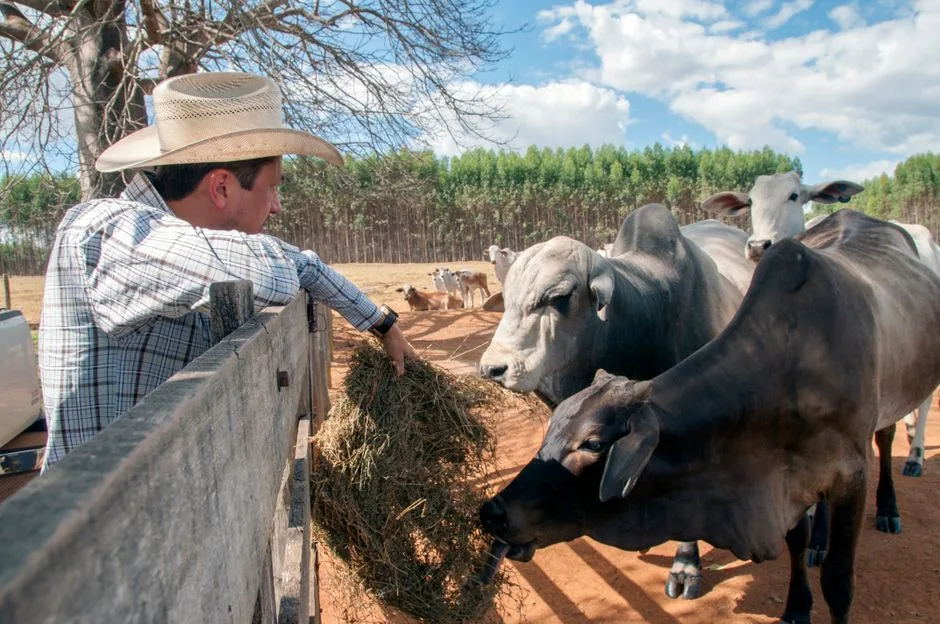
Genesis 1:31 calls all of creation, animals included, "very good," and Psalm 104 describes God's ongoing care and provision for animals as part of His sustaining relationship with all creation.
Genesis 1:31 declares the entirety of creation, including every animal, "very good" upon completion. Psalm 104:21-28 describes God's ongoing provision for animals: lions seeking their food from God, all creatures looking to Him, "you open your hand, satisfying them with good things." Animals aren't presented in Scripture as disposable or merely instrumental, they're part of a creation God himself continues to actively sustain and care for.
Honoring This Picture Through How You Treat Animals
Honoring the biblical picture means embracing your unique human responsibility while extending genuine, practical care toward animals, reflecting the stewardship Scripture consistently models.
If you have animals in your life, or your work involves them, this picture is worth holding onto: real authority paired with real responsibility, genuine care extended toward something God himself calls good. That's a more substantial framework than either treating animals as disposable tools or elevating them above the unique status Scripture gives to humans.