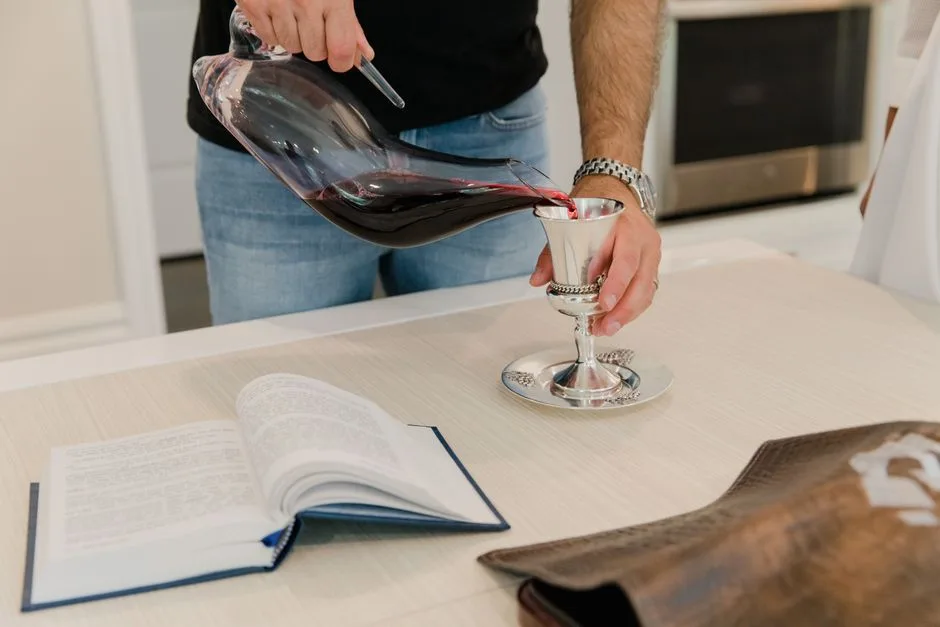
I've watched alcohol wreck more than a few lives on the road, guys who started with "just one to unwind" and ended up somewhere much darker. I've also sat at family gatherings where a shared drink was just a normal, unremarkable part of celebration. The Bible's actual position is more nuanced than either "alcohol is sinful" or "drink whatever you want."
✝ Try FaithSpark Free
AI-powered daily devotionals, a prayer journal, and Bible reader, built by a truck driver who needed something real for the road.
What Does the Bible Say About Alcohol? The Short Answer
The Bible doesn't broadly condemn alcohol itself, but it consistently and clearly condemns drunkenness and being controlled by it, the line falls at being mastered by alcohol, not at drinking in moderation.
Ephesians 5:18 draws the line clearly: "Do not get drunk on wine, which leads to debauchery. Instead, be filled with the Spirit." The contrast Paul draws is revealing, drunkenness and being Spirit-filled are presented as two competing forms of control over your mind and behavior. The problem isn't the substance; it's what controls you.
Jesus Turned Water Into Wine
John 2:1-11 records Jesus's first recorded public miracle as turning water into wine at a wedding celebration, indicating that wine itself wasn't treated as inherently sinful in His ministry.
John 2:1-11 records Jesus performing His first public miracle at a wedding in Cana, turning water into wine, and apparently very good wine, since the host's steward remarks on its quality. This detail matters for this conversation: Jesus himself, in His first recorded miracle, produced wine for a celebration. That's hard to reconcile with the idea that alcohol itself is inherently sinful.
This isn't an endorsement of excess, the context is a wedding celebration, a context of joy and moderation, not the kind of drinking Scripture condemns elsewhere.
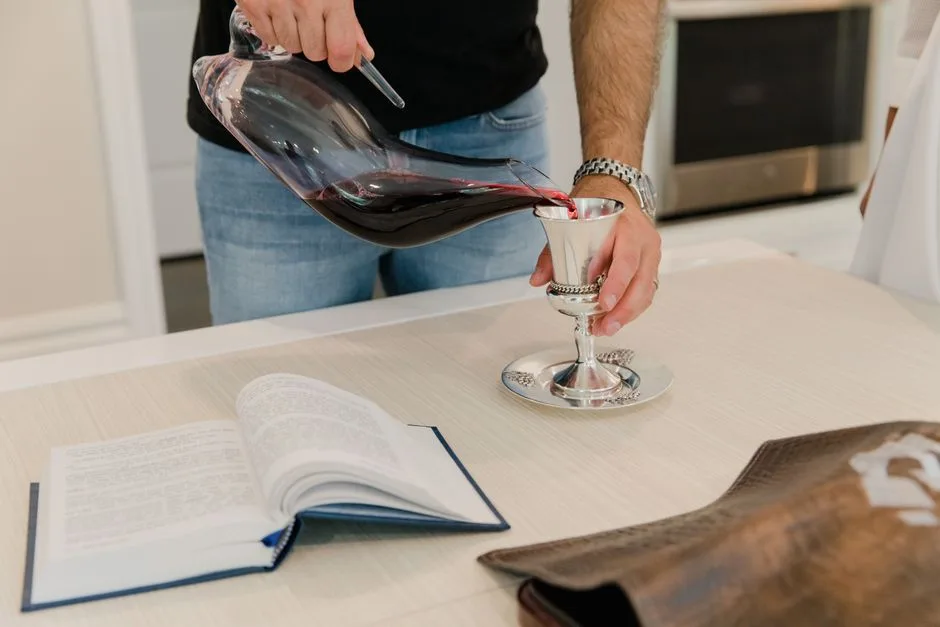
Proverbs' Warnings Against Drunkenness
Proverbs repeatedly and vividly warns against drunkenness, describing its real consequences, poverty, poor judgment, and physical harm, without ambiguity about the danger it presents.
Proverbs 20:1 says, "Wine is a mocker and beer a brawler; whoever is led astray by them is not wise." Proverbs 23:29-35 paints an unflinching, almost uncomfortable picture of drunkenness, bloodshot eyes, confused speech, and a person who keeps returning to it despite real harm, almost like an addiction pattern recognized and named thousands of years ago. Proverbs 23:20-21 also connects gluttony and drunkenness to poverty and ruin.
These aren't subtle warnings. Scripture takes the real danger of alcohol seriously, describing its effects with striking honesty rather than minimizing them.
Leadership Standards and Total Abstinence for Some
1 Timothy 3:3 and Titus 1:7 specifically instruct that church leaders, elders and deacons, not be given to drunkenness, and Scripture records some, like Nazirites and certain priests, called to total abstinence from alcohol for specific seasons or roles.
Numbers 6:3 describes the Nazirite vow, which included complete abstinence from wine and anything from the grapevine for the duration of the vow. 1 Timothy 3:2-3 and Titus 1:7 set standards for church leaders that specifically exclude being "given to drunkenness." Scripture shows precedent both for total abstinence in certain contexts and for moderate, responsible use in others, it doesn't enforce one universal rule for every person in every situation.

Wisdom for Someone With a History of Addiction
For someone with a personal history of addiction to alcohol, total abstinence is a wise and biblically consistent choice, even though Scripture doesn't broadly forbid alcohol for everyone.
Romans 14:21 says, "It is better not to eat meat or drink wine or to do anything else that will cause your brother or sister to fall." 1 Corinthians 10:23 adds that not everything permissible is beneficial. If you have a history of addiction, or alcohol has caused real damage in your life or family, total abstinence isn't a lesser, weaker choice, it's genuine wisdom, fully consistent with Scripture's broader concern for avoiding what controls or harms you.
The Real Question: What's in Control?
The central biblical question regarding alcohol isn't whether drinking itself is permitted, but what is actually in control of your mind and choices, alcohol, or the Holy Spirit.
If you're trying to figure out where you personally land on this, Ephesians 5:18's framing is the most useful lens: not "is this allowed," but "what's actually in control here." For some people, moderate, occasional drinking poses no real conflict with that question. For others, given personal history or temptation, the wiser path is abstaining entirely. Both can be faithful responses to the same underlying biblical principle.