I want to say something plainly before anything else: if you are in an abusive situation right now, please don't wait to get help. Call someone you trust, call a pastor, or call the National Domestic Violence Hotline at 1-800-799-7233. Your safety matters more than finishing this article.
I've talked with people on the road and in church who carried abuse quietly for years because somewhere along the way they got the message that enduring it was what God wanted from them. I want to walk through what the Bible actually says about abuse, because it is not what a lot of people have been taught.
✝ Try FaithSpark Free
AI-powered daily devotionals, a prayer journal, and Bible reader, built by a truck driver who needed something real for the road.
What Does the Bible Say About Abuse? The Short Answer
The Bible never asks anyone to silently endure abuse. Scripture consistently shows God defending the vulnerable and opposing those who harm others, not commanding victims to accept mistreatment.
There is no verse that tells a person to stay and accept abuse. None. Passages about love, marriage, and submission were never written to require someone to endure harm, they describe mutual love and sacrifice, not domination or cruelty. If anyone has used Scripture to convince you that staying in danger is what faithfulness looks like, that is a misuse of the text, not the heart of it.
God's Heart for the Oppressed and the Vulnerable
Scripture repeatedly shows God as a defender of the oppressed, not a neutral bystander. He is described again and again as one who sees suffering and acts on behalf of those being harmed.
Psalm 10:14 says, "But you, God, see the trouble of the afflicted; you consider their grief and take it in hand." That's not a passive God watching from a distance. That's a God who notices and intervenes. Psalm 103:6 says the Lord works righteousness and justice for all the oppressed.
This is a thread running through the whole Bible, from God hearing the cries of the Israelites in slavery in Exodus, to the prophets calling out those who exploit the vulnerable, to Jesus consistently protecting and defending people who had been harmed by those with power over them. If you've wondered whether God sees what's happening to you, the answer in Scripture is unmistakably yes.

What the Bible Says About Confronting Wrongdoing
Confronting wrongdoing is biblical, but Scripture never requires facing an abuser alone, safety and wise outside help come first, especially in situations involving real danger.
Matthew 18:15-17 describes a process for addressing sin between believers, and some people try to apply that directly to abuse situations, assuming a private one-on-one confrontation is required. That application misses something important: that passage assumes basic safety between two parties of relatively equal power, which abuse by definition is not.
Wisdom in an abuse situation almost always involves bringing in people equipped to help, a counselor, a pastor trained in this area, or law enforcement when there's danger. Proverbs 11:14 says where there is no guidance, a nation falls, but many advisers make victory sure. Getting help isn't weak faith. It's the wise path Scripture itself points toward.
Healing After Abuse: What Scripture Offers
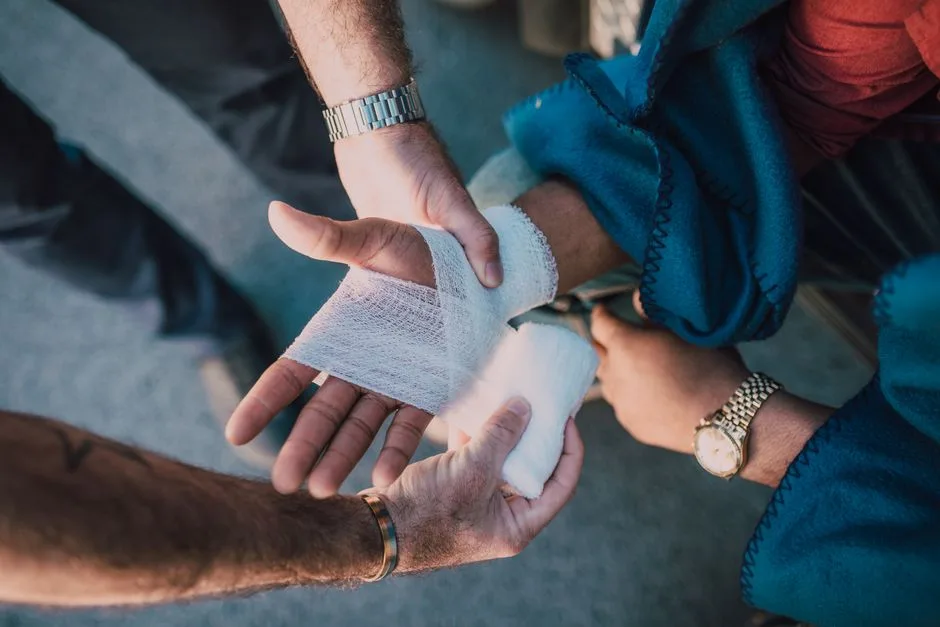
Healing after abuse is a real, often slow process, and Scripture offers genuine hope for restoration. Psalm 147:3 says God heals the brokenhearted and binds up their wounds, without rushing the process.
If you've come out of an abusive situation, you may be carrying wounds that don't disappear just because the situation ended. That's normal, and it's not a faith failure. Psalm 147:3 says, "He heals the brokenhearted and binds up their wounds." That healing is real, but it's also often gradual, through prayer, through trusted community, frequently through professional counseling alongside your faith, not instead of it.
I've watched people I care about walk this road. The ones who healed well weren't the ones who pretended it didn't happen. They were the ones who let God and trusted people into the actual mess of it.
You Are Not Required to Carry This Alone
Scripture never asks anyone to carry abuse or its aftermath alone, community, wise counsel, and God's presence are all part of the path forward, and reaching out for help is itself a step of faith.
If there's one thing I want you to take from this, it's that you were never meant to carry this by yourself. Galatians 6:2 says to carry each other's burdens. That includes this one. Whether that means a conversation with a pastor, a call to a hotline, or sitting with a counselor for the first time, reaching out is not a failure of faith, it's an act of it.
God sees you. He always has. And there is a way forward that doesn't require you to stay quiet about what happened to you.