I used to think "prophecy" meant predicting the future, full stop. Reading through Scripture more carefully, it's both bigger and more specific than that, it includes prediction, but also encouragement, correction, and a gift the New Testament expects to still be active and tested within the church. Let's look at what the Bible actually says.
✝ Try FaithSpark Free
AI-powered daily devotionals, a prayer journal, and Bible reader, built by a truck driver who needed something real for the road.
What Does the Bible Say About Prophecy? The Short Answer
The Bible presents prophecy as both the foundational, Scripture-shaping message of Old Testament prophets and an ongoing spiritual gift in the New Testament church, meant for building up believers and always subject to testing.
2 Peter 1:21 describes Old Testament prophecy this way: "prophets… spoke from God as they were carried along by the Holy Spirit." 1 Corinthians 14:3 describes a different but related New Testament expression: "the one who prophesies speaks to people for their strengthening, encouraging and comfort." Both are real, but they function somewhat differently.
Old Testament Prophets: Speaking God's Word to a Nation
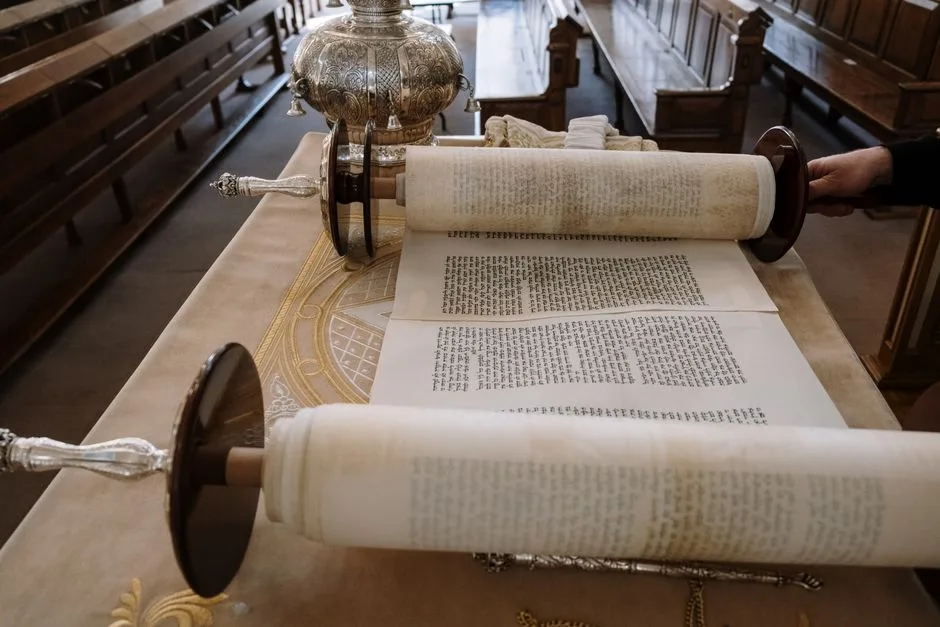
Old Testament prophets served as God's direct messengers to His people, often calling for repentance, warning of consequences, and sometimes predicting specific future events with remarkable accuracy.
Prophets like Isaiah, Jeremiah, and Ezekiel delivered messages that were frequently corrective, calling Israel back to faithfulness, warning of coming judgment for persistent sin, and offering hope of eventual restoration. Many of their messages also included specific predictions, some about events in their immediate future, others pointing centuries ahead.
Micah 5:2 predicted a ruler would come from Bethlehem, written centuries before Jesus's birth there. Isaiah 53 describes a suffering servant who would bear the sins of others, language Christians understand as describing Jesus's crucifixion in striking detail, written roughly 700 years beforehand.
The Gift of Prophecy in the New Testament Church
1 Corinthians 12 and 14 describe prophecy as one of several spiritual gifts active in the early church, intended to strengthen, encourage, and comfort believers, distributed by the Holy Spirit for the common good.
1 Corinthians 12:10-11 lists prophecy among gifts the Spirit distributes "to each one… for the common good." Unlike Old Testament prophecy, which often carried weight equivalent to new Scripture, New Testament prophecy within the church is described in the context of building up the gathered believers, encouragement, exhortation, comfort, and is explicitly subject to evaluation by the rest of the congregation (1 Corinthians 14:29).
This distinction matters. New Testament prophecy isn't treated as infallible new revelation equal to Scripture, it's a real gift, but one practiced with built-in accountability and testing, never given a blank check of automatic authority.
How to Test Whether a Prophecy Is True
Scripture instructs believers to test prophetic claims rather than accept or reject them automatically, checking consistency with Scripture, fulfillment of any specific predictions, and the character and fruit of the source.
1 Thessalonians 5:20-21 says, "do not treat prophecies with contempt. But test them all; hold on to what is good." 1 John 4:1 adds, "do not believe every spirit, but test the spirits to see whether they are from God." The clearest test across Scripture is consistency: anything claiming prophetic authority that contradicts what the Bible already clearly teaches fails that test immediately, regardless of how compelling it feels.
Deuteronomy 18:22 also gives a practical Old Testament test: if a specific predictive claim doesn't come true, that's direct evidence against it. Genuine prophecy doesn't need defending against its own track record.

Fulfilled Prophecy as Evidence for Scripture's Reliability
Numerous Old Testament prophecies about the coming Messiah, written centuries before Jesus's birth, are understood by Christians as precisely fulfilled in Him, often cited as meaningful evidence supporting Scripture's reliability.
Psalm 22, written roughly a thousand years before crucifixion existed as a Roman practice, describes details strikingly consistent with crucifixion, pierced hands and feet, mockery, divided garments. Isaiah 53 describes a suffering, rejected servant who bears others' iniquities and is "pierced for our transgressions." Christians point to this pattern of detailed, centuries-early fulfillment as meaningful support for trusting Scripture's broader claims, including its claims about who Jesus is.
Holding Prophecy With Both Openness and Discernment
A balanced biblical posture toward prophecy involves neither dismissing it outright nor accepting every claim uncritically. Scripture calls for genuine openness paired with careful, consistent testing.
If you've encountered claims of modern prophecy, Scripture's instruction isn't to dismiss the category outright, nor to accept every claim without question. 1 Thessalonians 5:21 asks for both: genuine openness and careful testing, holding onto what's good and consistent with Scripture, and letting go of what isn't.