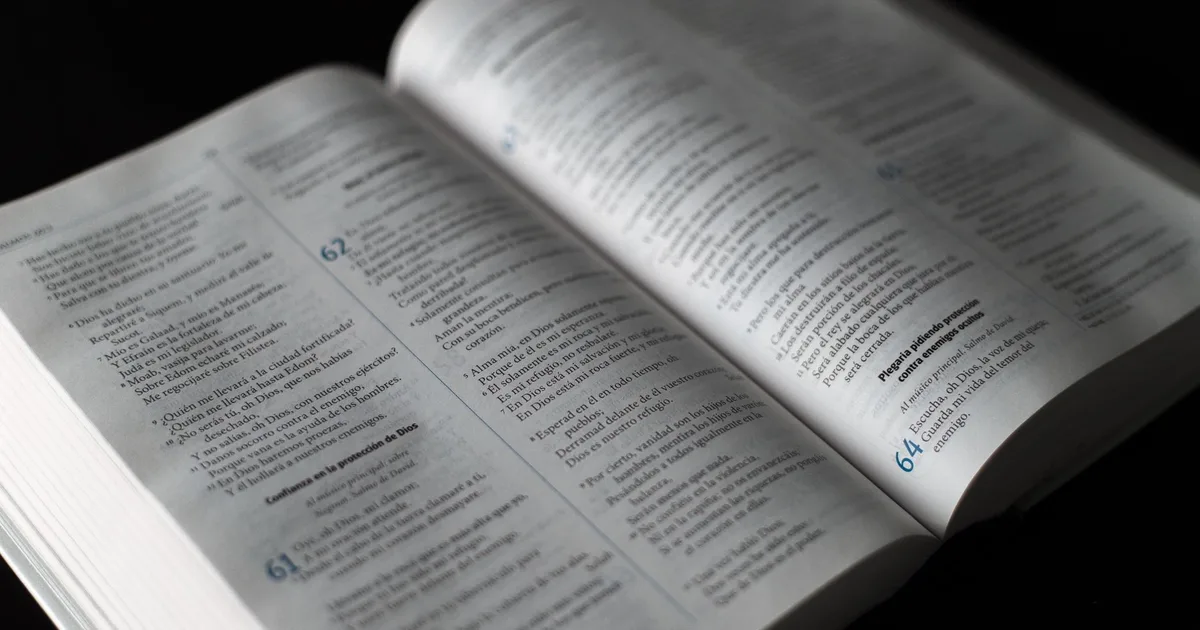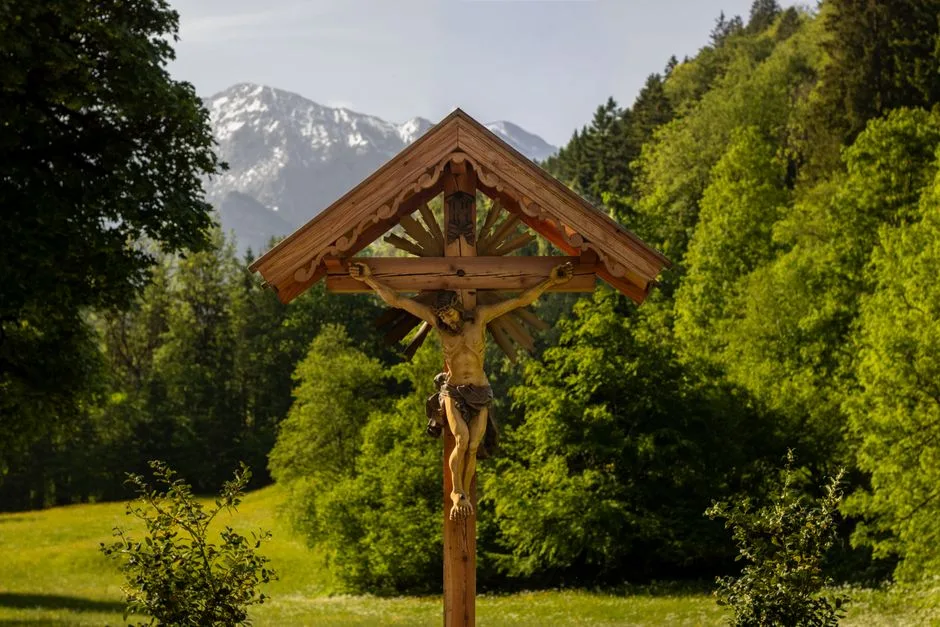
Genesis is where the Bible's theology of faith begins, and it begins with action rather than argument. Nobody in Genesis sits down to define faith. They just live it, or fail to, in ways that shaped how every later biblical writer would understand what trusting God actually looks like.
✝ Try FaithSpark Free
Read the full book of Genesis free in the FaithSpark Bible reader, and get daily devotionals grounded in Scripture. Try it free at mindgardenpress.com.
Faith in Genesis: The Big Picture
Genesis covers thousands of years in fifty chapters, and across that span it keeps returning to the same question: will this person trust God when trusting Him costs something? Adam and Eve fail that question in chapter three. Everyone who follows is measured, in one way or another, against whether they pass where the first couple failed. Noah, Abraham, Isaac, Jacob, and Joseph each face their own version of the test, and Genesis lets us watch what faith and its absence actually produce.
Key Verses About Faith in Genesis
Genesis 15:6 "Abram believed the Lord, and he credited it to him as righteousness." This is the verse the rest of the Bible keeps returning to. Abram had no visible proof his descendants would outnumber the stars, only God's word. His belief, not any action he performed, is what God counted as righteousness.
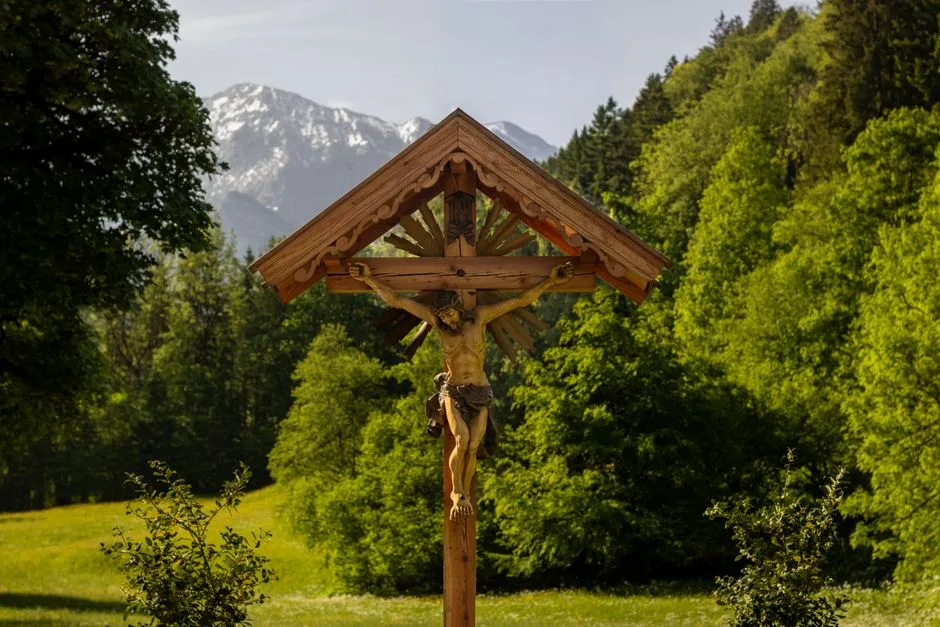
Genesis 12:1-4 God tells Abram to leave his country, his people, and his father's household for a land He would show him later. The text says simply, "So Abram went, as the Lord had told him." No destination was given in advance. He left based on a voice and a promise.
Genesis 6:22 "Noah did this; he did all that God commanded him." Before a single drop of rain had fallen, Noah spent years building a massive boat on dry land. His obedience preceded any visible evidence that the flood was coming.
Genesis 22:8 When Isaac asked where the sacrifice was, Abraham answered, "God himself will provide the lamb for the burnt offering, my son." Hebrews 11:19 tells us Abraham reasoned that God could raise Isaac from the dead if necessary. His faith held even when the command seemed to contradict God's own promise.

Genesis 50:20 Joseph tells his brothers, who had sold him into slavery years earlier, "You intended to harm me, but God intended it for good." This is faith looking backward, the ability to see God's hand across decades of hardship rather than only in the moment of rescue.
What Genesis Teaches About Trusting God
The pattern across Genesis is consistent: faith is shown less through what people say and more through what they do when they cannot see the outcome. Abram leaves without a map. Noah builds without rain. Abraham climbs the mountain without knowing how it ends. Joseph interprets his own suffering as part of a larger plan he could not have seen from inside it. None of these people had complete information. What they had was enough trust in God's character to act before the evidence arrived.
This is exactly the definition Hebrews 11:1 would later give: "confidence in what we hope for and assurance about what we do not see." Genesis does not use that language, but it lives it out in story after story, which is why nearly every major figure from Genesis reappears in the Hebrews 11 hall of faith.
Continue exploring faith across Scripture with Exodus verses about faith, or see how the whole trio of faith, love, and hope fits together in the complete guide to Bible verses about faith, love, and hope. Read the full text of Genesis for free in the FaithSpark Bible reader, or explore everything FaithSpark offers at mindgardenpress.com/faithspark-app/.