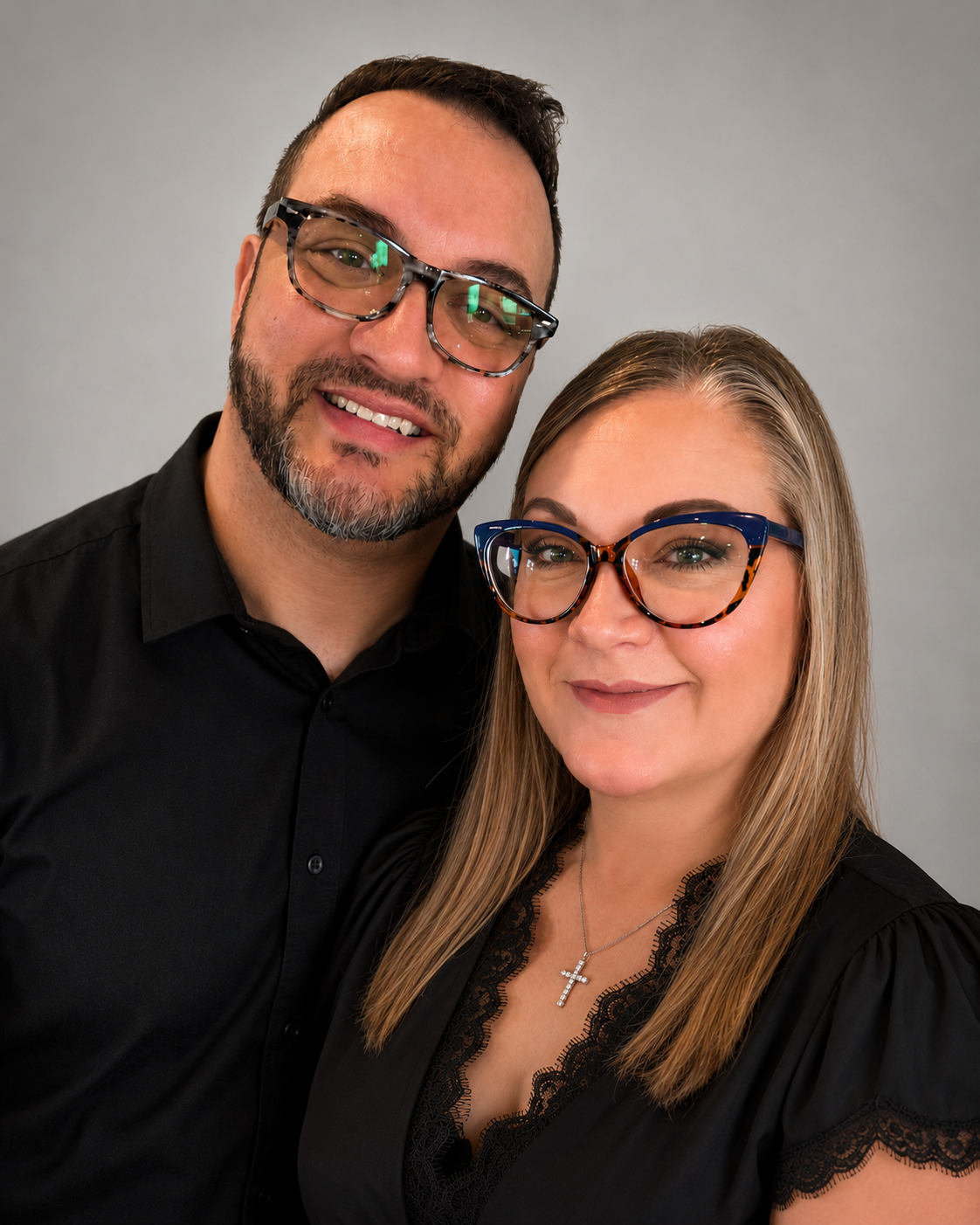
We have done family devotionals in the truck stop parking lot. We have done them at the kitchen table with four kids trying to be somewhere else. We have done them on vacation and on weekday mornings when everyone was running behind. They have not always been peaceful, meaningful experiences. Sometimes they were five minutes of mild chaos followed by a sincere prayer.
They were still worth it.
✝ Try FaithSpark Free
The FaithSpark 52-week Family Bible Study is completely free at mindgardenpress.com. Genesis to Revelation, one year, one family.
Why Family Devotionals Are Worth the Effort
Deuteronomy 6:6-7 says, "These commandments that I give you today are to be on your hearts. Impress them on your children. Talk about them when you sit at home and when you walk along the road, when you lie down and when you get up."
The family devotional is not an invention of modern Christian culture. It is the biblical pattern for how faith is transmitted from one generation to the next. Not primarily through church programs or Sunday school but through the daily, ordinary moments in which parents talk to their children about what they believe and why it matters.
The research on religious transmission confirms what Deuteronomy implies: the most significant factor in whether children maintain faith into adulthood is the faith environment of the home, specifically whether faith was practiced daily as a normal part of family life rather than reserved for Sundays.
A Family Devotional Format That Works Across Ages
Here is the format I recommend for families with children from elementary age through high school:
One passage read aloud (two to three minutes). The parent reads. Everyone listens. Pick a chapter per week and read it in segments, or use a daily devotional that provides passages.
Two to three minutes of quiet. This is the hardest part with kids but it is worth the fight to establish. Everyone sits quietly for sixty to ninety seconds and thinks about what they heard. No phones. No side conversations.
Go around the table with one question. Everyone answers the same question: "What is one thing this passage says about God?" Even very young children can engage with this question at their level.
One family prayer. One person prays for the family, for specific requests, and for whatever came up in the discussion. Rotate who prays so children develop the habit.
Total time: ten to twelve minutes. This is doable most days. It is short enough that even resistant teenagers cannot reasonably argue it takes too long.

Best Devotionals for Kids by Age Group
Ages 2-5: Narrative and repetition. At this age, children learn through story and repetition. Board books of Bible stories, simple sung prayers, and a bedtime blessing work better than structured devotionals. The Jesus Storybook Bible by Sally Lloyd-Jones is the gold standard for this age.
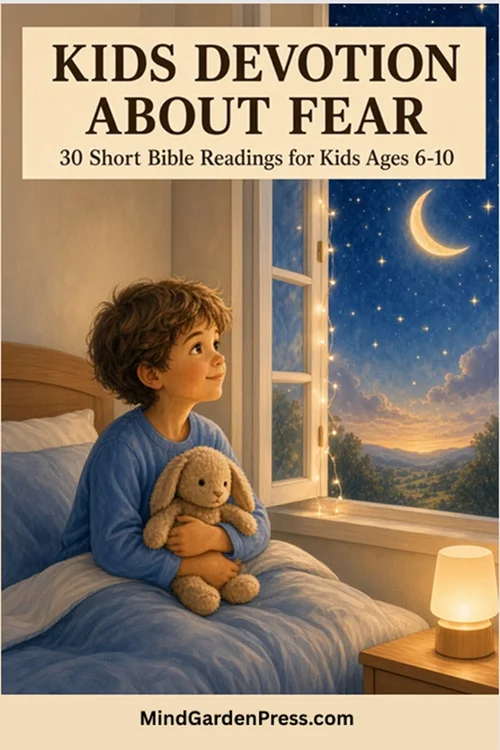
Ages 6-10: Simple questions and connection. Children this age can engage with passages they have heard read aloud and respond to relational questions. "How do you think David felt when he was scared?" is more productive than "What theological principle does this teach?" Their faith is concrete and personal, and the best devotionals meet them there. If fear or anxiety is the specific thing your child is working through, Kids Devotion About Fear is a 30-day devotional built exactly for this age and this struggle.
Ages 11-14: Honest engagement with hard questions. Middle schoolers are beginning to examine whether what they have been taught is true. The best devotionals for this age do not avoid the hard questions. They engage them. Why does God allow suffering? Are other religions wrong? Why should I believe the Bible? These deserve honest answers, not dismissal.
Ages 15+: Depth and real-world application. Teenagers can handle substantive content. They often respond better to one-on-one conversations about faith than to family group formats. Consider reading the same book separately and discussing it over dinner. "The Case for Christ" by Lee Strobel or "Mere Christianity" by C.S. Lewis works well for this approach.
The 52-Week Family Bible Study: Free at FaithSpark
The FaithSpark 52-Week Family Bible Study at mindgardenpress.com is a free, structured guide that takes your family from Genesis to Revelation over the course of one year. Each week has a theme, a passage, discussion questions for different ages, and a family application.
It is designed for families who want to read through the whole Bible together without the complexity of designing their own curriculum. It is completely free, available in your browser, and does not require a download or a subscription.
For families who want to add Bible games to their devotional time, the FaithSpark Bible games are also free: trivia, word search, Sudoku, and more. Games reinforce what you are reading in a format that keeps younger children engaged.

Building a family devotional habit is one of the most countercultural and most important things a Christian parent can do. It does not have to be perfect. It just has to be consistent. Explore the full suite of free family faith tools at mindgardenpress.com/faithspark-app/.