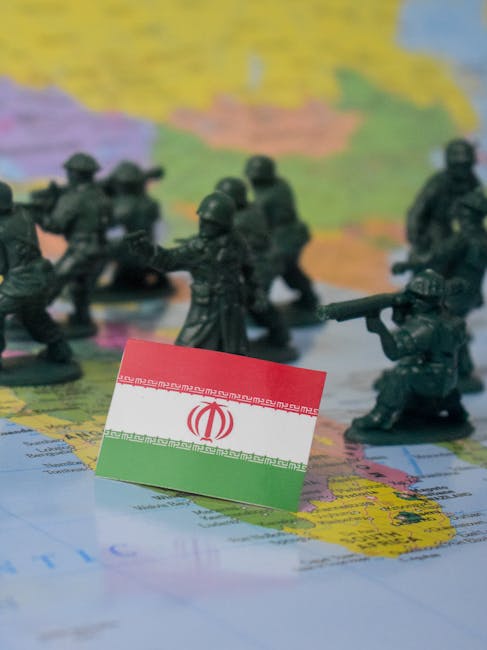

A Shift in the Middle East
The recent ceasefire between Israel and Hezbollah, coupled with the postponement of US-Iran talks in Switzerland, marks a pivotal moment in the Middle East. While geopolitical tensions remain high, the pause in hostilities offers a glimpse of hope. For Christians, this moment invites reflection on God’s sovereignty over nations and His desire for peace. As we navigate this complex landscape, Scripture reminds us that “the Lord will give His people peace” (Isaiah 26:3), urging us to trust in His timing and purpose.
The Weight of Peace
The ceasefire between Israel and Hezbollah, though fragile, represents a rare instance of restraint in a region often defined by conflict. For many, this pause is a reminder of the cost of war and the value of reconciliation. The Bible speaks powerfully about peace, describing it as a fruit of the Spirit: “Peace I leave with you; my peace I give you” (John 14:27). In a world where violence seems inevitable, Christ’s promise of peace challenges us to seek harmony, even in the face of division. The delay of US-Iran talks adds another layer to this moment. While some may view the postponement as a setback, others see it as an opportunity for reflection. The Apostle Paul wrote, “Do not be anxious about anything, but in every situation, by prayer and petition, present your requests to God” (Philippians 4:6). In the midst of uncertainty, Christians are called to pray for wisdom, discernment, and the guidance of the Holy Spirit.
Divine Timing and Human Agency
The timing of these events raises questions about God’s role in world affairs. Are these pauses in conflict part of His plan, or are they the result of human efforts? The Bible affirms both. In Isaiah 46:10, God declares, “My purpose will stand, and I will do all that I please.” Yet He also calls humanity to act: “Be wise, then, and go out; for the Lord is in the midst of you” (Exodus 23:29). The ceasefire and the delayed talks may reflect a combination of divine sovereignty and human responsibility. While nations negotiate, God remains the ultimate peacemaker. The psalmist wrote, “The Lord will give His people peace” (Isaiah 26:3), a promise that transcends political outcomes. As we pray for leaders and nations, we trust that God is working behind the scenes to bring about His kingdom.
Lessons for the Church
For the Assembly of God and all Christians, this moment calls for both vigilance and hope. The Bible warns against complacency in times of peace: “Be watchful, and stand firm in the faith, because you are being greatly loved by God” (1 Thessalonians 5:8). While the ceasefire is a step toward stability, it is not a permanent solution. Christians must remain committed to prayer, discipleship, and outreach, trusting that God uses even the smallest acts of peace to advance His kingdom. The story of the Israelites in the wilderness offers a parallel. Though God led them through trials, He also provided rest and guidance. Similarly, the Middle East’s journey toward peace may involve seasons of waiting, but God’s promises endure. As we reflect on these events, let us ask: How can our church and community embody Christ’s love in a world so deeply divided?
A Call to Prayer and Action
This moment demands both spiritual and practical responses. First, let us pray for the leaders of Israel, Hezbollah, and the United States. Psalm 127:1 reminds us, “Unless the Lord watches over the city, the watchmen cannot stay awake.” We entrust these leaders to God’s care, asking for wisdom, courage, and humility. Second, let us act with compassion. The Bible calls us to “do good to all people” (Hebrews 13:16), even those who oppose us. This could mean supporting refugees, advocating for justice, or simply sharing the Gospel with those in need. Peace is not merely the absence of war; it is the presence of God’s love in action.
A Prayer for the Nations
Lord, we lift up the Middle East and all nations in prayer. Guide leaders in wisdom, soften hearts toward reconciliation, and bring peace to those who suffer. Help us to trust Your timing, even when the world seems broken. May Your kingdom come, and may Your will be done on earth as it is in heaven.
Reflection Questions
1. How can your church or small group pray specifically for peace in the Middle East? 2. What does it mean for you to “trust in the Lord with all your heart” (Proverbs 3:5) during times of uncertainty? 3. How can you embody Christ’s love in your community, even in the face of division? In the midst of global tensions, may our faith in God’s sovereignty and our commitment to His peace guide us. As the psalmist declared, “The Lord is my light and my salvation—whom shall I fear?” (Psalm 27:1). Let us walk in that light, trusting that God is at work in every moment.