
The Current Situation: A World in Turmoil
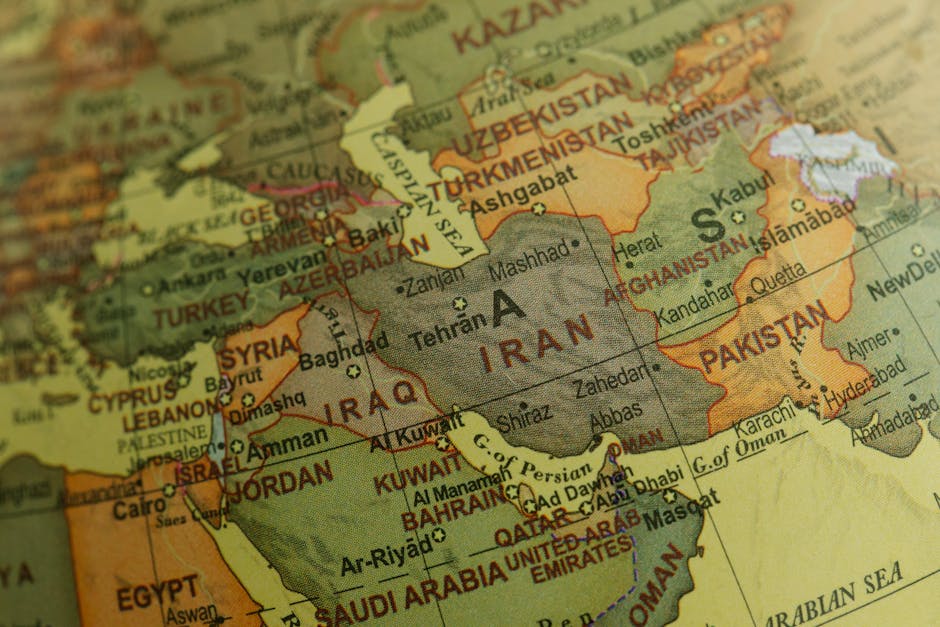
Recent developments in the Middle East have once again thrust the region into a volatile spotlight. Diplomatic talks between Iran and its regional adversaries have been delayed, with officials citing the recent Israeli airstrikes in Lebanon as a key factor. These attacks, which targeted Hezbollah positions, have intensified tensions and raised questions about the future of fragile peace efforts. For many Christians, this moment calls for reflection on God’s sovereignty over nations and His call for faithful witness in a world marked by conflict. The situation is complex, with multiple actors and shifting alliances. Yet, as believers, we are reminded that no human effort can fully address the root causes of violence. Only God’s wisdom and justice can bring lasting peace. This article seeks to unpack the implications of these events through a biblical lens, offering hope and guidance for a generation navigating uncertainty.
Biblical Context: God’s Sovereignty Over Nations
The Bible is clear that God is sovereign over all nations. Isaiah 59:19 declares, “So shall they fear the name of the Lord from the west, and His glory from the east. And when He comes, He will come to His temple; and He will come to His temple, and the one who is waiting for Him will not be ashamed.” This verse reminds us that God’s plans transcend human strategies. Even in the midst of conflict, His purposes are unfolding. History has shown that nations often act out of fear, pride, or self-interest, but God’s sovereignty ensures that His will is ultimately fulfilled. Consider the story of Joseph, whose brothers’ jealousy and betrayal led to a time of famine, yet God used their actions to save many lives. Similarly, the current geopolitical tensions may be part of a larger divine plan, even if we cannot see it fully. For Christians, this means trusting that God is in control, even when the world seems chaotic. As 2 Corinthians 4:6 says, “For God, who said, ‘Light shall shine out of darkness,’ has shone in our hearts to give the light of the knowledge of the glory of God in the face of Jesus Christ.” In the darkness of conflict, God’s light shines through the lives of those who seek Him.
The Implications of Delayed Talks: A Lesson in Human Limitations
The delay in diplomatic talks highlights the limitations of human diplomacy. While nations strive to negotiate peace, their efforts are often hindered by pride, fear, and the pursuit of power. This is not new. The prophet Isaiah warned, “Woe to those who call evil good and good evil, who put darkness for light and light for darkness, who put bitter for sweet and sweet for bitter” (Isaiah 5:20). Such moral blindness is evident in the cycle of violence that continues to plague the region. Yet, God’s Word reminds us that He is the author of peace. Psalm 144:14 states, “He gives His beloved sleep, and fills his belly with food.” This verse points to God’s care for His people, even in the midst of global unrest. While nations may falter, God’s promises remain steadfast. Believers are called to pray for wisdom, courage, and discernment as they navigate these turbulent times.
A Call to Faithful Witness: Living Out God’s Justice
As Christians, we are not called to be passive observers of the world’s conflicts. Instead, we are to be agents of God’s justice and peace. The apostle Paul wrote, “Do not be overcome by evil, but overcome evil with good” (Romans 12:21). This challenge is especially relevant in a world where violence and division seem to dominate the headlines. Faithful witness begins with personal holiness. When we live out God’s love in our communities, we become a testimony to the transformative power of Christ. It also involves prayer. The psalmist said, “I will call upon the Lord, who is worthy to be praised, and I will be saved from my enemies” (Psalm 118:25). Prayer is our weapon against despair, a reminder that God is always at work. Additionally, we must be informed and compassionate. While we reject the violence that fuels conflict, we also recognize the need for justice. The Bible teaches that God’s justice will ultimately prevail, but until then, we are called to seek peace through Christ-like love.
Reflections for the Church: A Path Forward
The Church has a unique role to play in these times. As a community of believers, we are called to be a light in the darkness, reflecting God’s character to a broken world. This means: 1. Praying for Peace: Intercede for leaders, nations, and all those affected by conflict. 2. Living Out God’s Love: Demonstrate Christ’s love through acts of kindness, forgiveness, and reconciliation. 3. Sharing the Gospel: Share the hope of the Gospel with those who are trapped in cycles of violence and despair. The Apostle John wrote, “This is the message we have heard from Him and declare to you: God is light; in Him there is no darkness at all” (1 John 1:5). In a world where darkness seems to reign, let our lives be a testimony to the light of Christ.
A Call to Action: Be the Light in the Darkness
As we reflect on the current situation, let us remember that God is sovereign, and His purposes will be fulfilled. While the world may be caught in cycles of violence, our hope is rooted in the promise of Christ’s return. Believers are called to be faithful witnesses, even in the face of uncertainty. Let us pray for wisdom, courage, and the strength to live out God’s love in our communities. May our lives be a testimony to the power of the Gospel, and may our prayers be a source of hope for a world in need. In the words of the prophet Isaiah, “The Sovereign Lord has given me a well-known message, to foretell things that are coming. He is my Lord, and I have no other. So I have no rest, no peace, whenever I think of the wicked. But I will wait for the Lord, who is faithful. He is my strength and my shield. My reward is with the Lord, and my recompense is with my God” (Isaiah 40:6-8). Let us wait on the Lord, trusting in His sovereignty and His promise of ultimate peace.